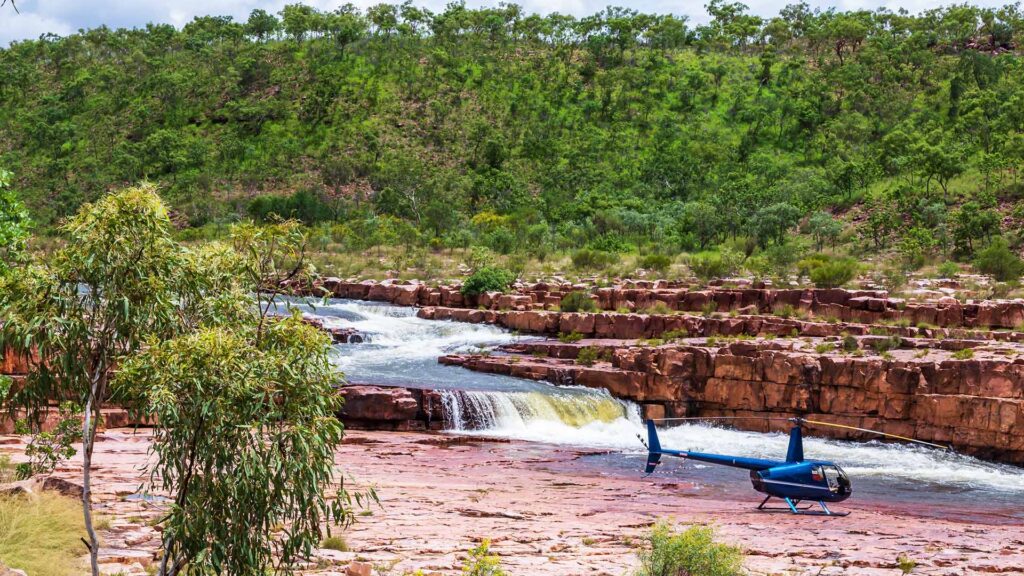
Where the Founders Go to Disappear
The most successful people in Asia have mastered arrival. This is a story about the harder art, vanishing well.
There is a particular silence that falls over a certain kind of advisor’s phone in the third week of August. It’s the silence of business concluded. The trips are booked, the manifests are clean, the aircraft are positioned, and the people who chartered them have gone somewhere the rest of us will read about only if they choose to tell us, which they mostly won’t.
August to October is the disappearing season. You know its shape even if you’ve never named it: the window after results are filed and before Diwali begins its long gravitational pull, after the summer circuit (Saint-Tropez, the Cap, the Cotswolds house parties that everyone photographs and no one enjoys) has exhausted itself, and before the calendar refills with obligation. For most of the people in this magazine’s orbit, it is the only stretch of the year that belongs to nobody. And so it is the stretch they spend making themselves impossible to find.
Arrival is a solved problem for these people. They have arrived so thoroughly, so publicly, so many times, that arrival has stopped meaning anything. What they are buying now, quietly, at rates that would alarm you and reassure them, is the opposite. Departure. The engineered, defensible, witness-free departure. And it has become, according to nearly everyone I spoke to for this piece, the fastest-appreciating luxury asset in Asia.
“I stopped selling views a while ago,” a Singapore-based advisor told me, over a lunch she asked me not to describe in enough detail to place. She books for three of the region’s larger family offices and a scatter of founders whose companies you have used this week. “Everyone has the view. The Amankora suite in Punakha has the view. What I sell now is the guarantee that for eight days, no one will see them who they haven’t personally chosen to be seen by. That’s the product. Absence of audience.” She let that sit. “It’s the only thing left that money can’t automatically buy. You have to know how.”
Knowing how is the machinery this piece is about.
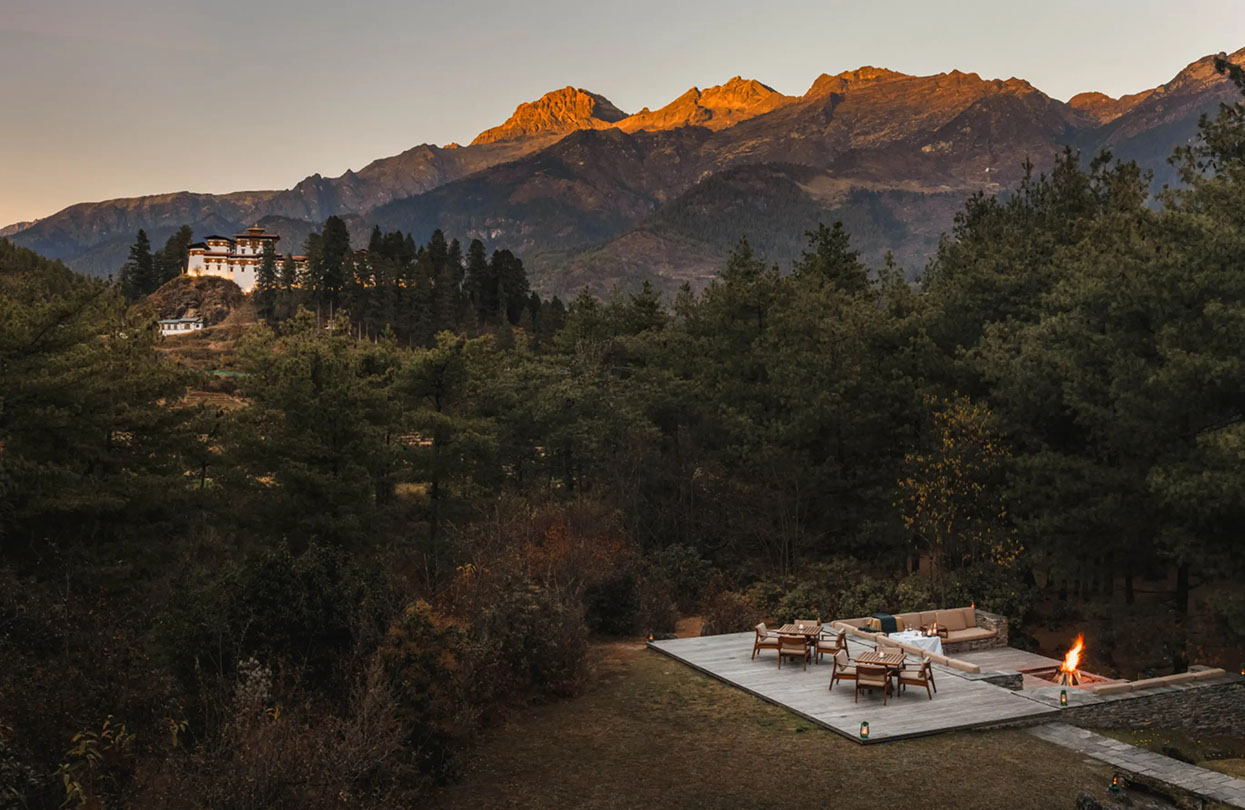
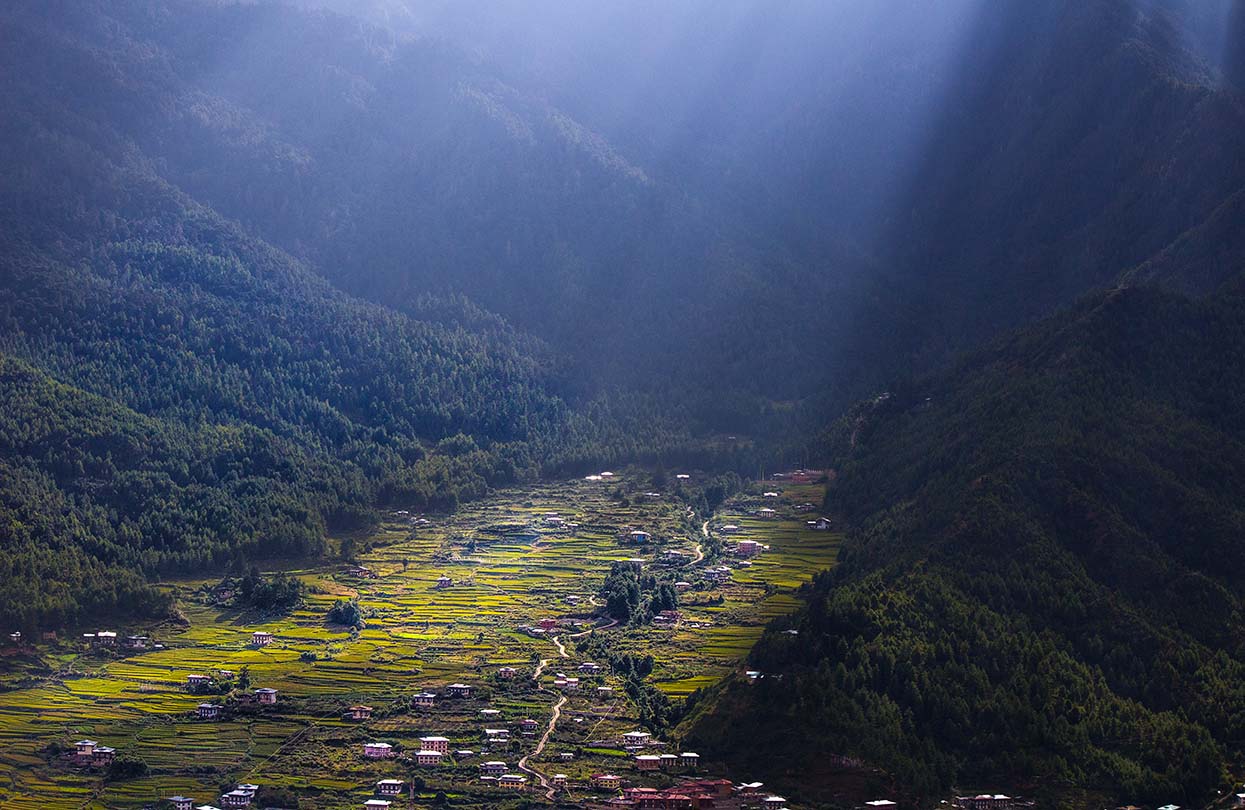

She lands in Paro on a Tuesday because Tuesday is the flight that isn’t full. The valley does the thing valleys do, it takes the pressure out of the air, physically, in the ears, and for the first hour she keeps checking the phone out of a reflex she is embarrassed by. There is nothing on it. She has arranged for there to be nothing on it. And still her thumb goes to the dark screen like a tongue to a missing tooth.
What she has come here to practise is not rest. She rests badly; she has always rested badly. What she has come to practise is being no one’s answer. For eleven months of the year she is the answer, to the board, to the children, to the two hundred people whose mortgages are, in a chain she can trace if she lets herself, her responsibility. Here she is the answer to nothing. It takes her, every year, four full days to stop flinching at that. On the fifth day she wakes and does not reach for the phone, and that morning is the one she is paying for. Everything before it is just the cost of getting there.
Let’s talk about geography as a second passport, because that’s the first mechanism and the most elegant.
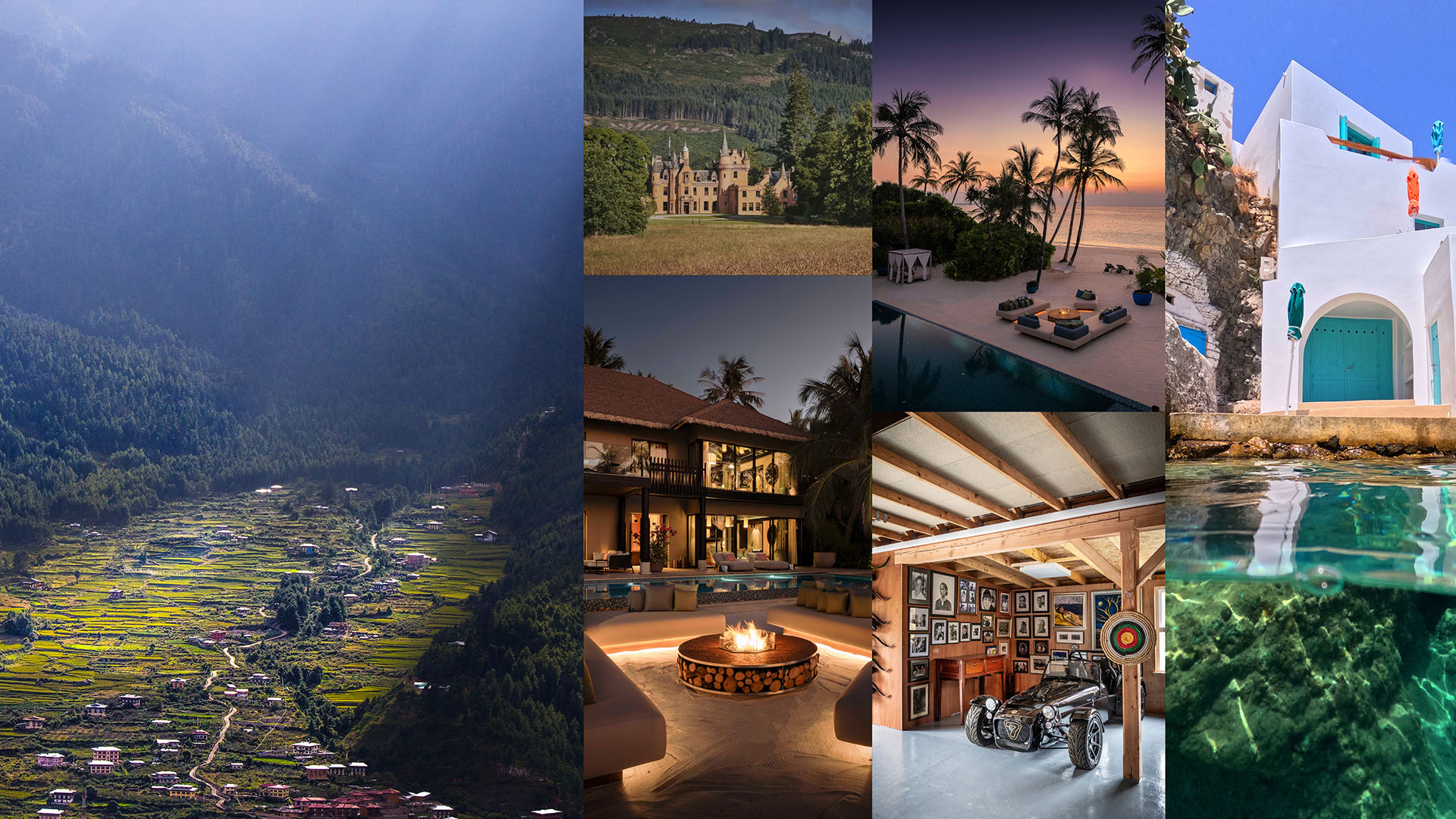
The instinct of a certain wealth is to buy the villa, the atoll, the estate, to solve the problem with an asset. But the sophisticated version isn’t ownership. It’s positioning. The people who disappear best have assembled a small, private atlas of places whose defining feature is that arriving there is difficult enough to function as a filter. A valley in Bhutan you cannot reach without a specific flight and a specific permit. A sporting estate in the Scottish Highlands where the nearest useful airstrip is an hour of single-track road away, and the house has, by design, held a laird’s family since before the word “founder” meant anything. A working ranch in the Absarokas outside Cody, Wyoming, where the currency is competence with a horse and nobody’s ever heard of your cap table. A full-island charter in the Maldives, not a resort, an island, taken whole, staff signed to the same agreements as the principal.
The point of these places is not luxury. Every one of them can be less comfortable than the buyer’s own bedroom. The point is that each is a different jurisdiction of attention. Geography does the work that security details can’t do without announcing themselves: it makes you boring to reach. A helicopter transfer into a Highland glen is not, whatever it costs, a flex. It is a moat.


“The clients who’ve been doing this longest don’t own most of where they go,” a London advisor who handles the European end for several Indian families told me. He asked to be described only as someone who has “spent twenty years learning which houses answer their own phones and which ones make you call a man in a different country.” “Ownership is a liability now. Ownership is a land registry, a staff, a story. What you want is a relationship with a house you don’t own, held by someone who’s held it for two hundred years and will hold it for two hundred more, who treats your visit as a private matter because in their world everything is a private matter. You’re renting their discretion. It happens to come with a castle.”
The named end of this is easier to point at than you’d think, because the best of these houses have made a discipline of not marketing. Aman built an empire, in part, on the understanding that its guests wanted to be untraceable inside a brand that would never say who was there; the Bhutan circuit, Amankora, is real, verifiable, and about as close as you’ll get to a public example of a private mechanism. But the true engine runs below the brand line, through houses with no website and a booking process that is a phone call to a person who already knows your voice.
Which brings us to the second mechanism: the villa networks that do not advertise, and the reason they don’t.
There is a category of property in the Aegean, in the Portuguese Alentejo, on certain Indonesian and Thai coasts, that you will not find because it does not want to be found. No listing. No agent, in the sense you mean the word. A house is spoken about between four or five advisors globally, the way a good doctor is spoken about, you get the name only after you’ve demonstrated you can be trusted with it. The house’s entire commercial proposition is the absence of witnesses. The staff are permanent and signed to agreements that outlast any single guest. The neighbours, where there are neighbours, are the same kind of people and have the same interest in silence. The product, precisely, is that nothing that happens there will be reported anywhere, by anyone, ever.
“I have exactly one house in the Alentejo I’ll put a certain kind of client into,” a Dubai-based advisor who works with Gulf and Indian principals told me. “Cork oaks, a cook who turned down two hotel groups because she doesn’t want to work for anyone she can’t see. No sign at the gate. I’ve sent people there for nine years and I could not show you a single photograph, because there isn’t one that I’d let exist.” She said this with pride, not apology. In her world the inability to prove something is the proof.
The advisors are the load-bearing wall of the whole structure, and their craft has quietly professionalised. Bookings go under holding-company names, so the reservation reads as a logistics firm rather than a family. Flights are split and repositioned so the aircraft’s movements don’t tell a story. Advance teams are small or absent, because a large advance team is itself a signal. The best of them think like a good chief of staff and a good librarian at once: they know where everything is, and they will die before they tell you.


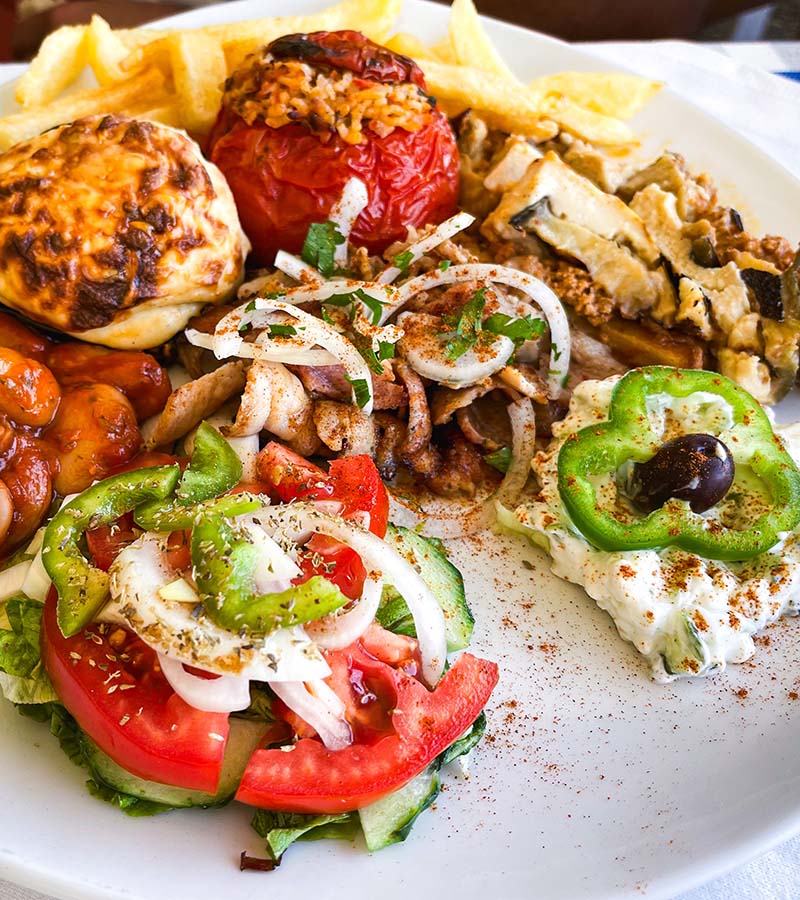
The founder, call him the Singapore fintech founder, because he is one, and because the details that would make him himself have been changed, does not go anywhere difficult. This surprises people. He has the atoll money, the Highlands money, the whole atlas if he wants it. What he books, every year, is a house on a Greek island small enough that the ferry comes twice a week, and he takes it for the full stretch, and he does the same six things every day.
He swims before anyone is up. He reads the books he bought in January and did not open. He cooks, badly, and no one tells him it’s bad because he’s asked them not to. He does not check the company. This is the discipline that costs him the most, and the one he protects most fiercely, because he learned three years ago what happens when he doesn’t, the way one glance at a dashboard on a Tuesday afternoon can eat the following four days, the way the mind, once shown a problem, will solve it whether or not you gave it permission.
He told his advisor once, in the offhand way people say the truest things, that what he was really buying was the right to be mediocre for a while. To swim slowly. To cook a bad dinner. To be, for eight days, a man of no particular consequence on a small island where the ferry doesn’t care who he is. “At home,” he said, “I’m not allowed to be average at anything. Here I get to be average at everything. You have no idea what that’s worth.”
That’s the thing under the thing. It took me a while to hear it, because everyone says “privacy,” and privacy is the wrong word. Privacy is what you buy to keep other people out. What these people are actually buying is subtler and sadder and more human: permission. Permission to be unimpressive. To be, for a measured window, not the most capable person in the room, because there is no room, and there is no one to be capable in front of.
You cannot overstate how rare this is in their lives. The founder is never allowed to be average. The matriarch is never allowed to be tired. The performance of exceptionality is not a vanity for these people; it is the job, and the job does not clock off. The disappearing season is the one negotiated interval in which the performance can stop, and the elaborate machinery of geography and NDAs and holding-company bookings exists, finally, to protect something almost tender. A week of being no good at things. A week off from being the answer.
World Travel Magazine has spent three issues now circling the idea that the top of the luxury market has moved from acquisition to subtraction, from what you can add to a life to what you can, at last, remove from it. This is the sharpest example we’ve found. The most expensive thing in Asia right now is not a watch or a wing of a hotel. It is eight days in which nobody needs you.
The third silhouette I’ll draw fully, because she taught me the most.
The matriarch of a Mumbai industrial family, again, real, again, altered enough that you won’t place her, and if you think you have, you’re wrong, which is the point, does not disappear alone. She disappears with the whole family, which is a different and harder engineering problem, because a family generates witnesses the way a fire generates smoke. Three generations, their spouses, the children’s friends who cannot be told the address in advance. Her solution, refined over a decade, is the full-island charter in the Maldives: not a resort with a private wing but an island taken entire, staff resident and signed, so that for two weeks the family’s only audience is itself.



“She runs it like a state visit in reverse,” her advisor, a Mumbai-based woman who has booked for the family for eleven years, told me. “Every year I think we’ve reached the limit of what can be controlled, and every year she finds one more leak and seals it. But here’s what people don’t understand about her. All that control isn’t so she can be grand. It’s so she can stop being grand. She spends fifty weeks being the most formidable person in any room in India. She takes the island so that for two weeks her grandchildren can see her be silly. That’s the entire budget line. Silliness. Insured against witnesses.”
There it is again. The apparatus of disappearance, running at full power, in service of something you’d almost call innocent.
I asked all of them, the advisors, and through the advisors, in the careful indirect way this work requires, the principals, where this goes next. The answer was unanimous enough to report as a signal rather than an opinion.
Disappearance is appreciating faster than anything else they sell. The demand curve is steepening: more principals, younger principals, wanting longer and more defensible windows, willing to pay premiums that make the accountants ask questions. The supply is, by its nature, inelastic, you cannot manufacture a two-hundred-year-old Highland estate or a cook who won’t be photographed, and every house that gets discovered is a house that loses the only quality that made it worth the rate. The London advisor put it most cleanly. “Views scale. Discretion doesn’t. There will be more billionaires in Asia every year and there will not be more places where they can genuinely vanish. You can do the arithmetic on where that price goes.” He smiled. “I’d tell you to buy in, but you can’t. That’s what makes it worth buying.”
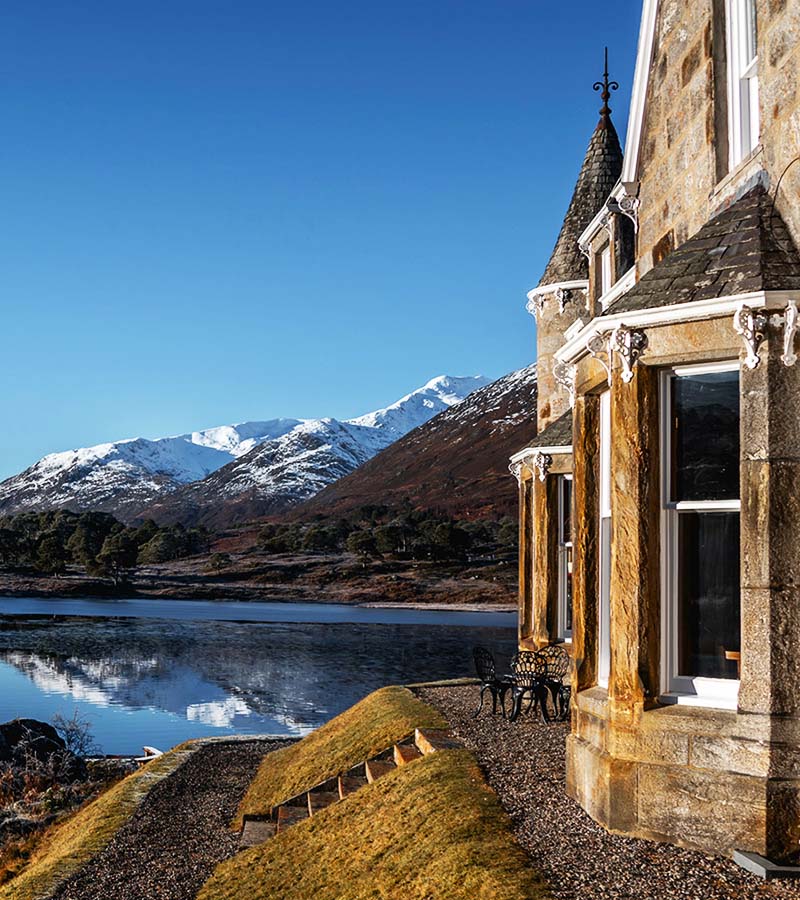
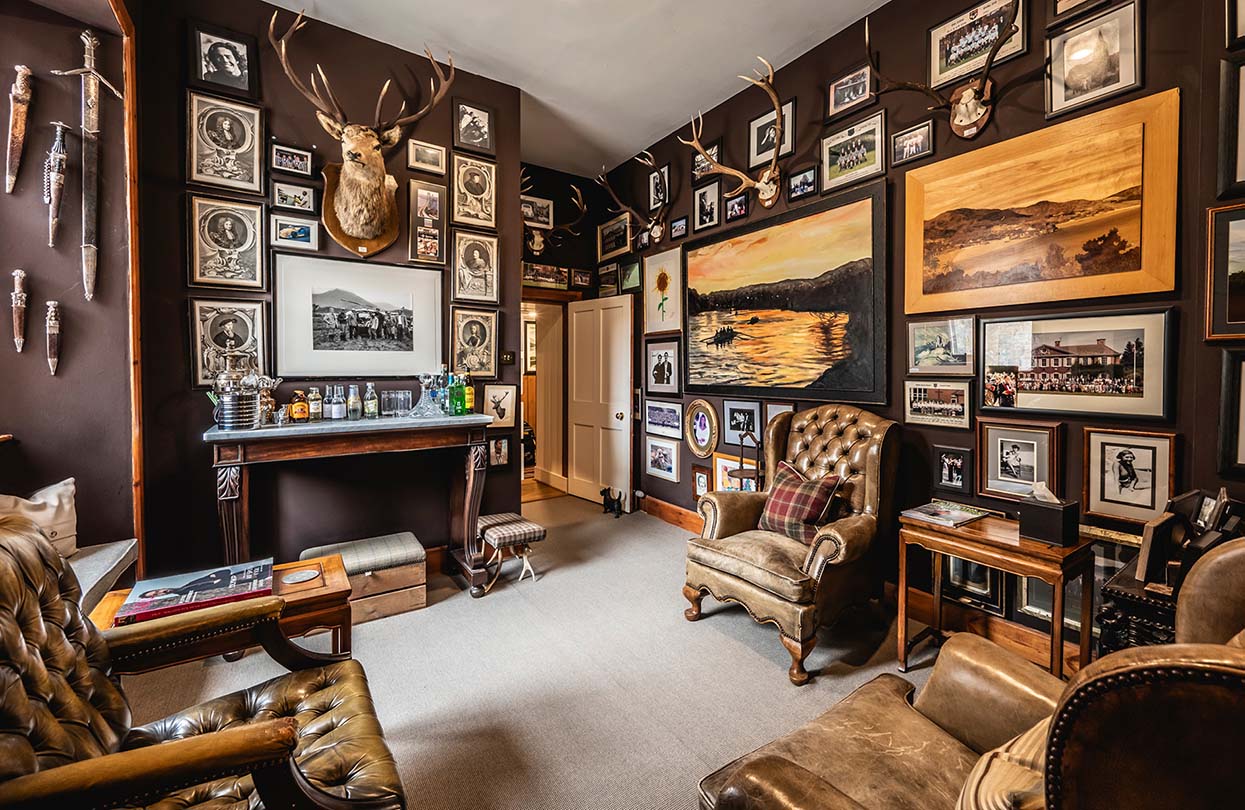
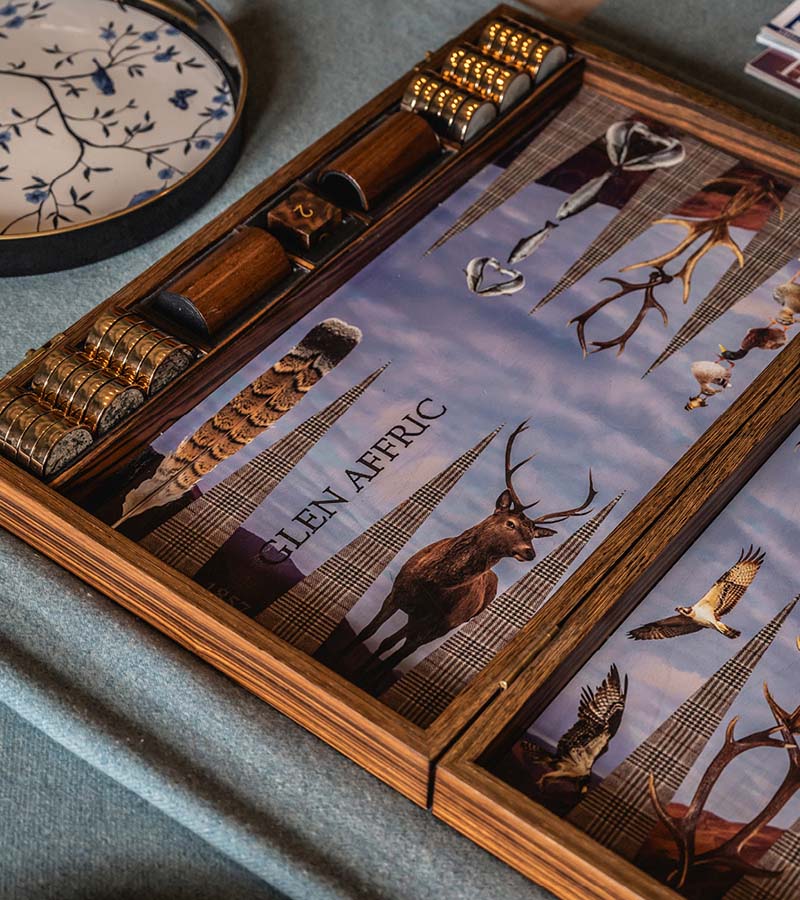

The most valuable properties of the next decade, several of them believe, won’t be the ones with the best light or the largest suites. They’ll be the ones with the longest record of nothing ever leaking. Silence, notarised by time. The kind of asset that appreciates precisely because you can never show anyone you own it.
The season ends the way it always ends, with a phone.
She’s back in Paro, in the small departures hall, and she can feel the return before it arrives, the way you can feel weather. On the ground in Delhi she’ll turn it on. She knows almost exactly what will be waiting: the number that only ever means one thing at this hour, the two questions no one else can answer, the plan she’ll have re-drawn in her head before the aircraft door opens. Eleven months of being the answer, resuming.
She turns it on in the car. It floods, the way it always floods. And here is the thing she has never told anyone, the thing that would ruin the whole clean story of escape: she is glad. Somewhere on the fifth day, out past the last flinch, she found the bottom of herself and stood on it and it held, and now she has the one thing the valley was actually for. Not rest. Proof. Proof that the person underneath the answer is still there, still hers, still fine. She needed a week where nobody needed her to remember that she is more than the sum of the people who need her.
She scrolls. She starts to type. Somewhere behind her the valley closes over like water, keeping no record, and she goes back to being indispensable, lighter, this time, by exactly the weight of eight days no one will ever be able to prove she took.
If you want to build a disappearing season of your own, the useful intelligence is this: it starts with the advisor, not the destination. The house comes after the trust does. Find the person who books under company names and has never once let a photograph exist, and understand that your first few conversations are an audition, they are deciding whether you can be trusted with the names, not whether you can afford the rate. When you get there, do the harder thing than arriving. Turn the phone all the way off, not to silent. Give yourself the full four days it takes to stop flinching, so you get to spend the fifth somewhere real. ◼
Subscribe to the latest edition now by clicking here.
© This article was first published in Aug-Sept-Oct 2026 edition of World Travel Magazine.