The first urban Six Senses property in the world melds the brand’s expected wellness and sustainability with a rich dose of Singapore heritage.
[vc_row][vc_column width=”1/4″][vc_separator color=”black” border_width=”10″][vc_custom_heading text=”Six Senses Duxton”][vc_separator color=”black” border_width=”2″][vc_widget_sidebar sidebar_id=”sidebar-page”][/vc_column][vc_column width=”3/4″][vc_column_text]
The first urban Six Senses property in the world melds the brand’s expected wellness and sustainability with a rich dose of Singapore heritage.
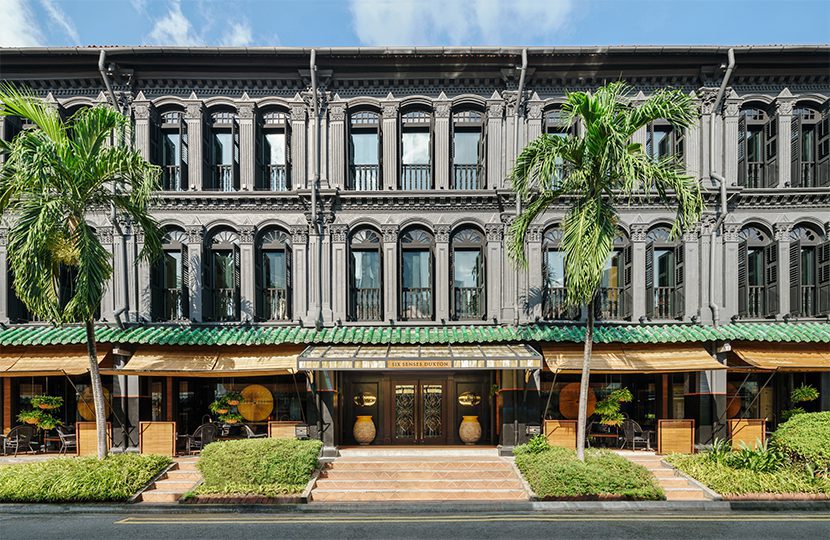
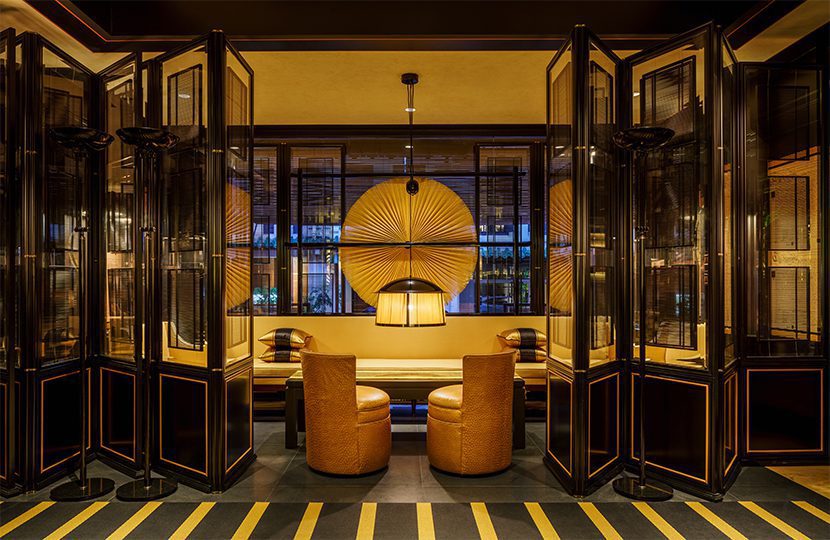
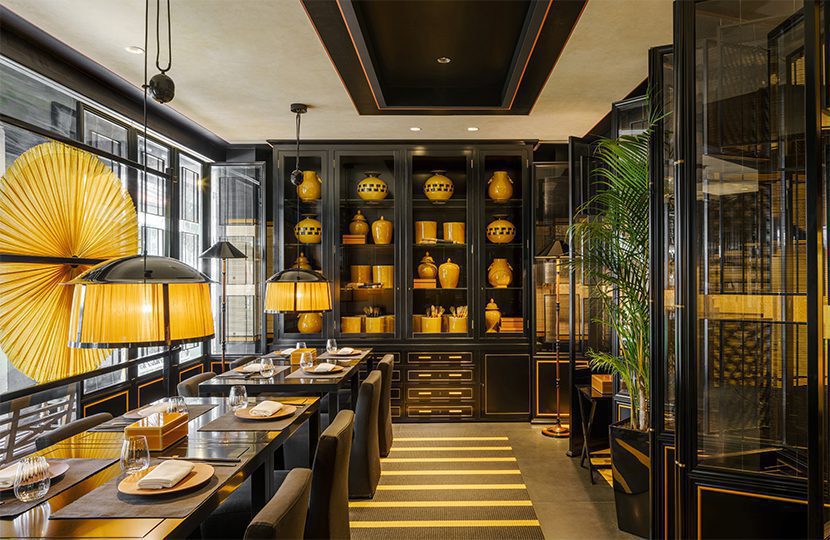
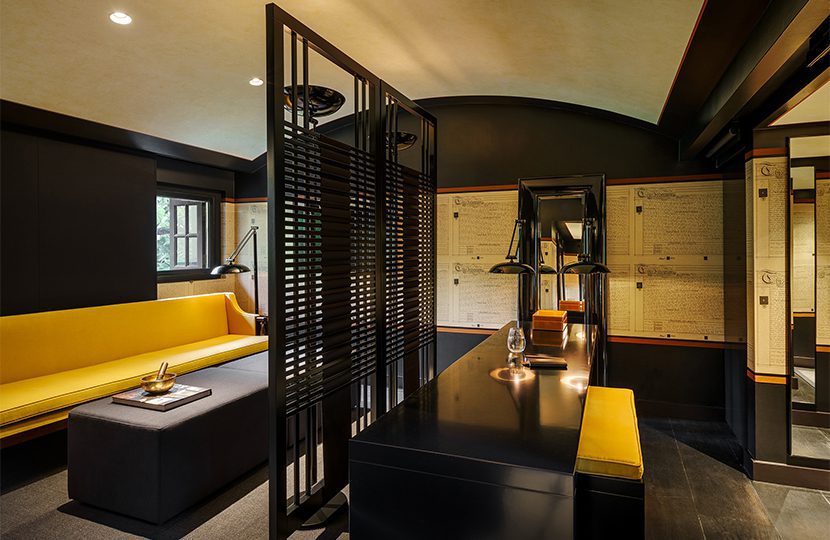
With a striking black exterior, the new Six Senses Duxton has the extraordinary distinction of being the first urban property for the sustainability focused luxury hotel brand. The building, uniting eight 19th-century shophouses, yields a strong sense of place, with elements including neo-classical lion-head motifs, Chinese porcelain-chip friezes, Malay timber fretwork, French windows, Portuguese shutters, and Corinthian pilasters. “I believe that a building reflects a sense of identity of that country and its evolution,” says owner Satinder Garcha. “All my existing hotels are housed in older heritage buildings, which offer a unique, often exquisite, experience that you can’t offer in a big-chain hotel. The goal is to try to tie in the hotel’s psyche with the city’s sensibility.” A stained-glass roof and large stone pot signal the entryway, with black rattan chairs and bamboo rollers arrayed along the long outdoor terrace. Interiors, the work of esteemed British designer Anoushka Hempel, combine a palette of black, gold, and yellow, hues that recur throughout the property, accentuated by glass-and-lacquered-bamboo screens and calligraphic wallpaper of an 18th-century real-estate indenture.[/vc_column_text][/vc_column][/vc_row][vc_row][vc_column][vc_column_text]
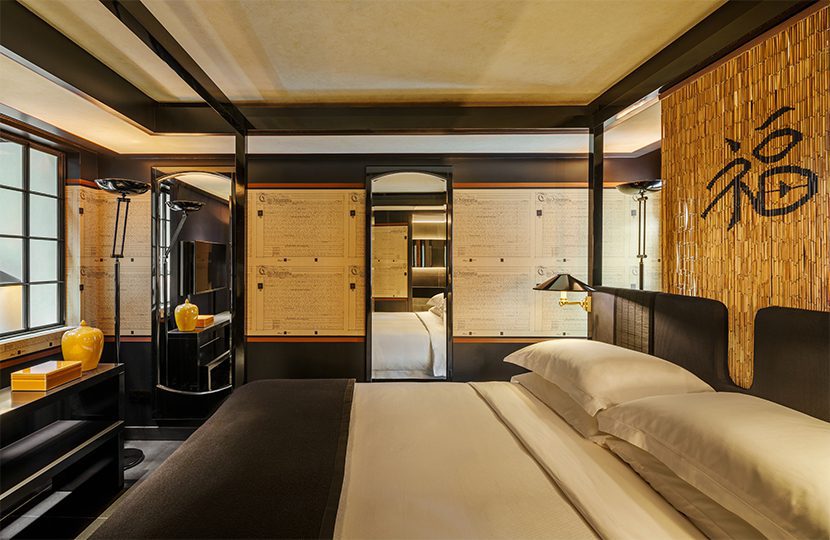
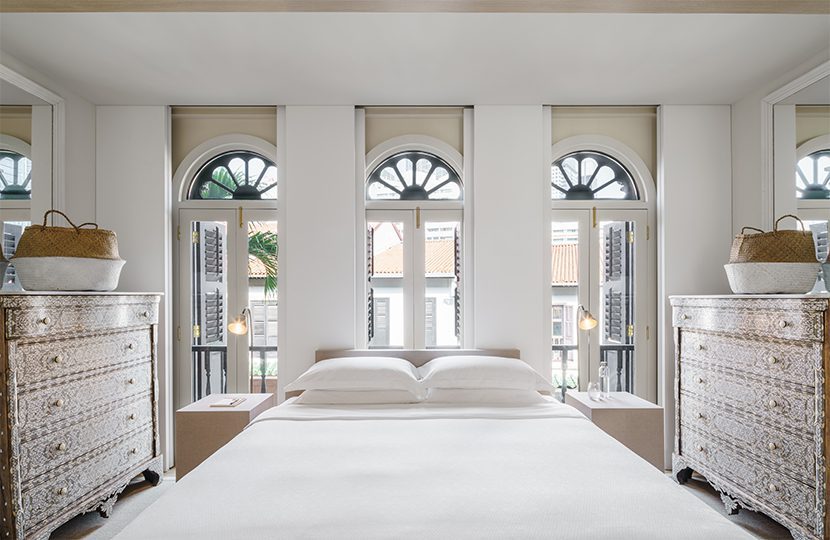
The gleaming bedroom of the Pearl Suite
[/vc_column_text][/vc_column][/vc_row][vc_row][vc_column width=”1/4″][/vc_column][vc_column width=”3/4″][vc_column_text]The 49 rooms and suites are divided into eight categories, all working within the regimen of a heritage building whose walls couldn’t be knocked down. Accommodations start at a compact 18 square metres and have names that celebrate local history. Nutmeg rooms are named for the site, a former nutmeg plantation, while shophouse rooms come with a black-and-white colour scheme. Suites all differ in character. Pearl Suites are white-on-white, with an airy feel, mother-of-pearl chests, and a white marble bathroom with a full bathtub. Opium Suites are darker, more broody and atmospheric with gold and black touches and granite bathrooms. Duxton Duplexes are the most theatrical spaces, a living area on the main floor with black sofas and curved lacquered panels to soften the shape of the room, the bedroom accessed via a spiral staircase, its bannister sanded to give it a satisfying grainy feel. All rooms come with Bose bluetooth speakers, sliding panels that open or close the room to natural light, switches that cleverly allow for different lighting combinations, and supremely comfortable, UK-made Naturalmat beds that keep the body cool at night.
Subtle touches in each room reflect the hotel’s Chinatown location — horsehair calligraphy brushes, bamboo screens, gleaming lacquer work. Turndown service comes with nutmeg oil, Tiger Balm, Chinese indigestion pills, a cloth tote shopping bag, and tinctures to assist sleeping and waking. The property also collaborates with local businesses and producers, a core part of Six Senses philosophy — tea from local teahouse Yixing Xuan, complimentary onsite TCM consultations for guests, micro-herbs and seafood from Singapore.[/vc_column_text][/vc_column][/vc_row][vc_row][vc_column][vc_column_text]
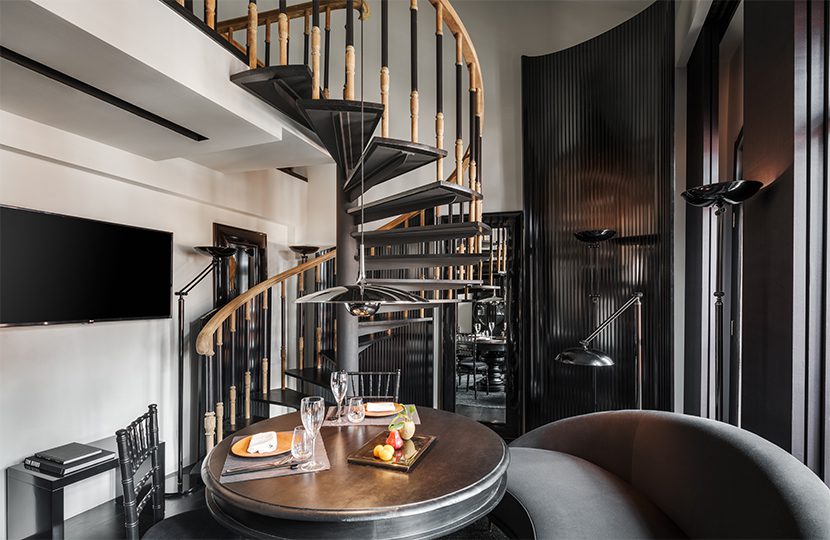
Stairs leading to the bedroom of the Duxton Duplex Suite
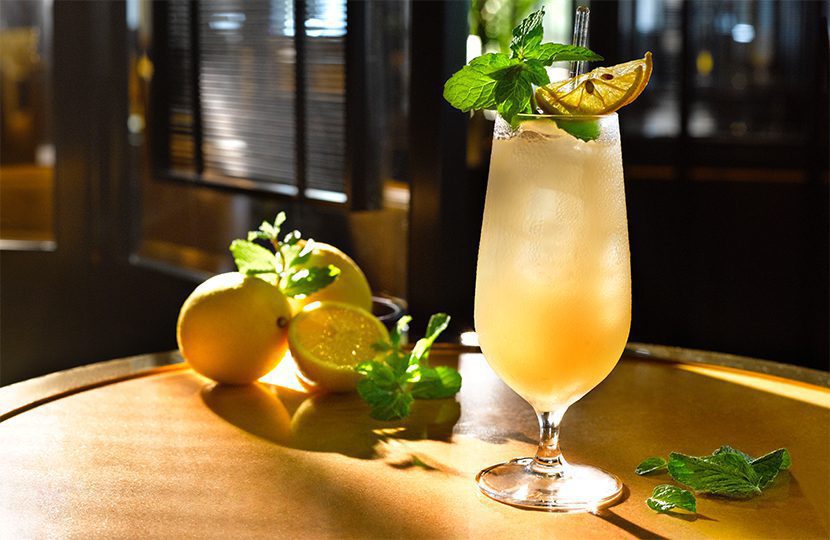
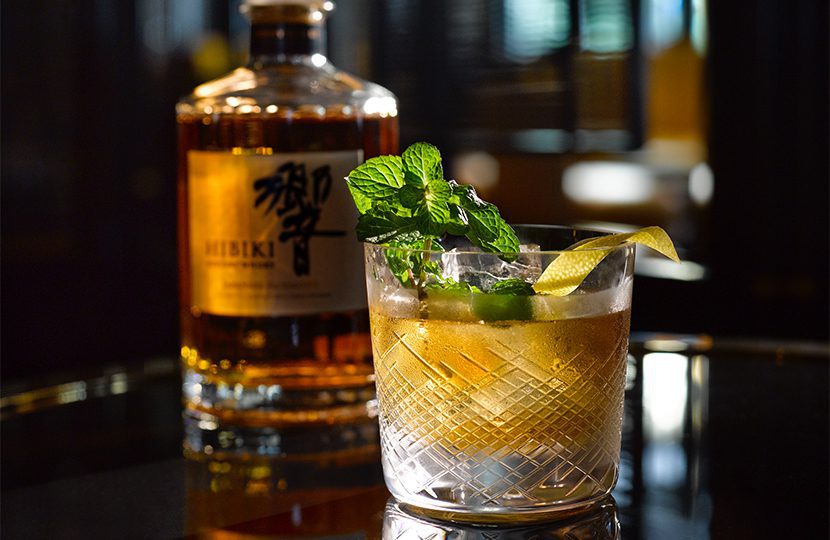
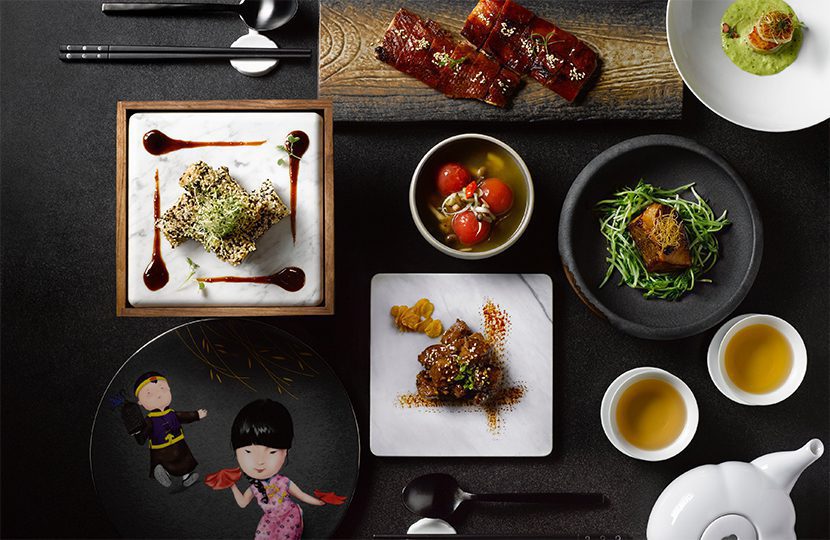
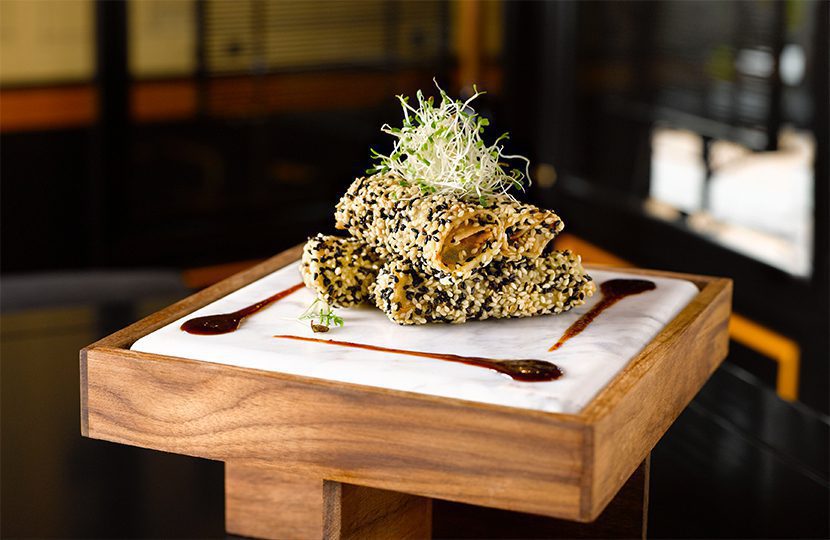
[/vc_column_text][/vc_column][/vc_row][vc_row][vc_column width=”1/4″][/vc_column][vc_column width=”3/4″][vc_column_text]These local ingredients, married with those from further afield, are used to stunning effect in the antiquarian library-style bar and Yellow Pot restaurant. The bar is bathed in a golden glow, with an ornate stained-glass ceiling, replicated in the walls on either side. This is Garcha’s highlight within the property: “It’s hard to pick a favourite, but the Yellow Pot bar is an absolutely stunning escape from, that manages to still meld with, the hustle and bustle of urban Chinatown.” The drinks menu lists classic cocktails such as Bloody Mary as well as regionally inspired libations like the Escape to Kaifeng, made with chrysanthemum cordial and Tanqueray Gin. Place settings at Yellow Pot include weighty black metal cutlery and whimsical porcelain show plates of children playing custom-made by Legle. Contemporary Chinese fare populates the menu, presenting diners with a fine range of tastes and textures. The hot and sour soup is rich and peppery, with shredded chicken and delicate slices of ginger. Fried lion’s mane mushrooms can be served with avocado puree or Sichuan-style with chilli and peanut — the latter is warming symphony to the palette. Seared pork with cumin, chilli, and mango combines touches of sweetness with a rewarding spice kick, roast duck is tender and accented with a light beancurd marinade, while the steamed Kühlbarra barramundi with a scallion-ginger pesto melts in the mouth.[/vc_column_text][/vc_column][/vc_row][vc_row][vc_column][vc_column_text]
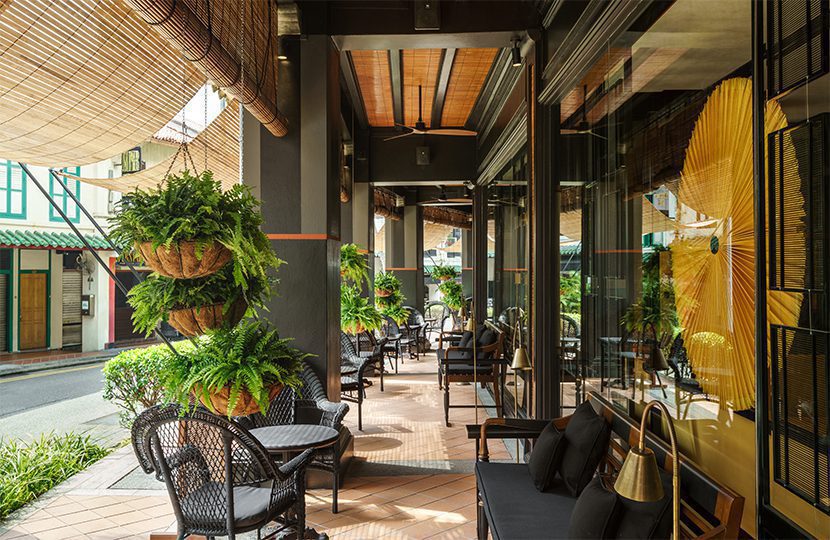
Al fresco dining on the terrace that runs along the front of the hotel
[/vc_column_text][/vc_column][/vc_row][vc_row][vc_column width=”1/4″][/vc_column][vc_column width=”3/4″][vc_column_text]Given the hotel’s size and interior dimensions, space for fitness options was impractical (though guests can request yoga mats). However those yearning for wellness will have access to the full facilities of Six Senses Maxwell (also owned by Garcha) — a lap pool, full gym, and four treatment-room spa — when it opens a two-minute walk away in October 2018. You could call the arrangement the best of both worlds. ◼[/vc_column_text][vc_basic_grid post_type=”ids” element_width=”12″ initial_loading_animation=”none” grid_id=”vc_gid:1539871031233-e0f91f21-90db-1″ include=”15721″][vc_column_text]Subscribe to the latest edition now by clicking here.
© This article was first published in Aug-Sept 2018 edition of World Travel Magazine.
If you would like to comment on this story or anything else you have seen on World Travel Magazine, head over to our Facebook page or message us on Twitter.
And if you liked this story, subscribe to our bi-monthly World Travel Magazine, a handpicked selection of editorial features and stories from Global Destinations, Inspire Me, Insider, Style File, Wellness & Travel, City Travel, Suite Life, At Leisure, Short Breaks and much more.[/vc_column_text][/vc_column][/vc_row][vc_row][vc_column][vc_masonry_grid post_type=”post” max_items=”9″ style=”load-more” items_per_page=”9″ gap=”10″ grid_id=”vc_gid:1539871031235-2b2c08d4-d1d8-9″ taxonomies=”1204″ exclude=”15205, 14466, 11296″][/vc_column][/vc_row]