[vc_row][vc_column][vc_column_text]Mainland Italy gets all of the glory. Art, architecture, gelato, wine, and pasta—what’s not to love? But it’s Sardinia, the autonomous island to the southwest, that has all of the glitz and glamour of Italy combined with a rugged, under-the-radar personality that’s all its own.
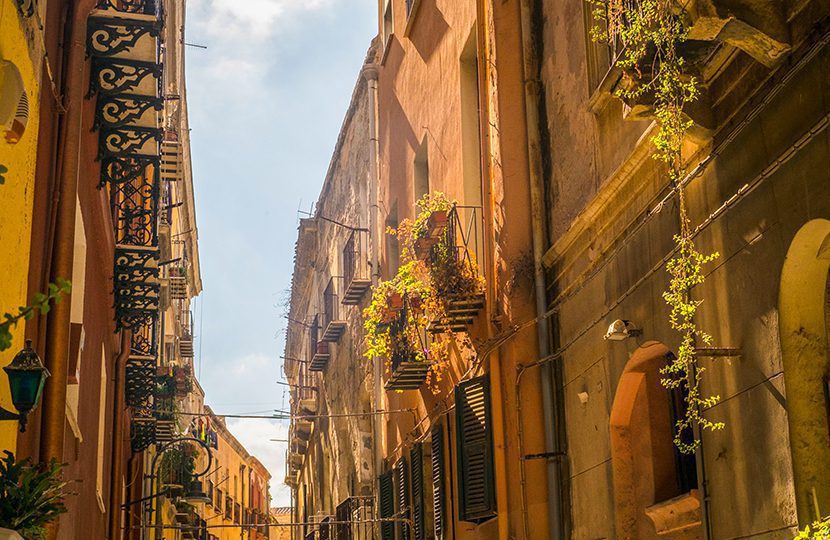
The narrow, cobblestone-paved streets of old town Cagliari are lined with quaint, traditional homes and scenes of everyday Italian life.
The island is just a stone’s throw from Rome—the flight into Cagliari, the island’s largest city, is a mere 40 minutes—and then, you’re within easy access to beautiful beaches, rugged hills filled with vineyards and hiking, archaeological landmarks, and those quintessential Italian villages, where you can have a plate of malloreddus, a saffron-flavored pasta unique to Sardinia.
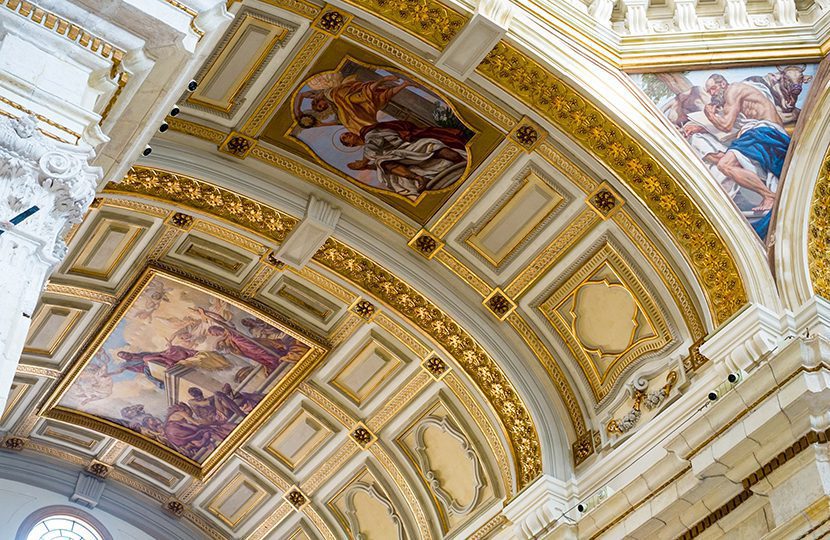
Beautifully-preserved frescoes at Cagliari’s Cathedral of Santa Maria, built in the 13th-century. The cathedral also houses two 12th-century stone pulpits.
The island’s northern coast is famous for the star-studded resorts along Costa Smeralda, but southern Sardinia has its gem: Forte Village, an expansive seaside luxury resort, is home to 771 rooms spread over 55 acres of tropical grounds. With its large water-facing suites and luxurious villas, the resort makes for a lavish home base for exploring the island, if you even want to leave its confines.
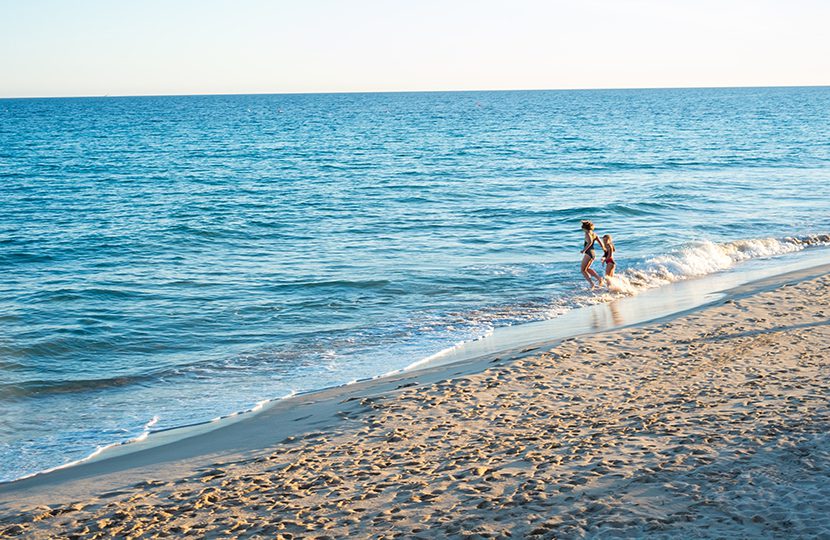
Forte village beach
Forte Village offers an embarrassment of riches when it comes to activities: there’s the Thalassotherapy pools and accompanying spa, multiple pools, and stunning beaches, and, in high season, 14 bars and 21 different restaurants. Splurge on a Cala del Forte waterfront suite for breathtaking panoramic views over the Mediterranean.
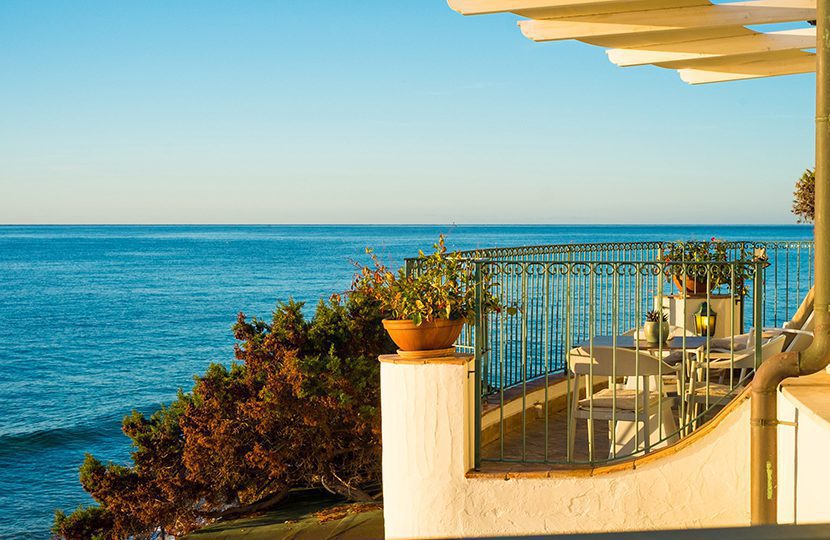
Waterfront suites at Forte Village open to expansive views of the Mediterranean Sea
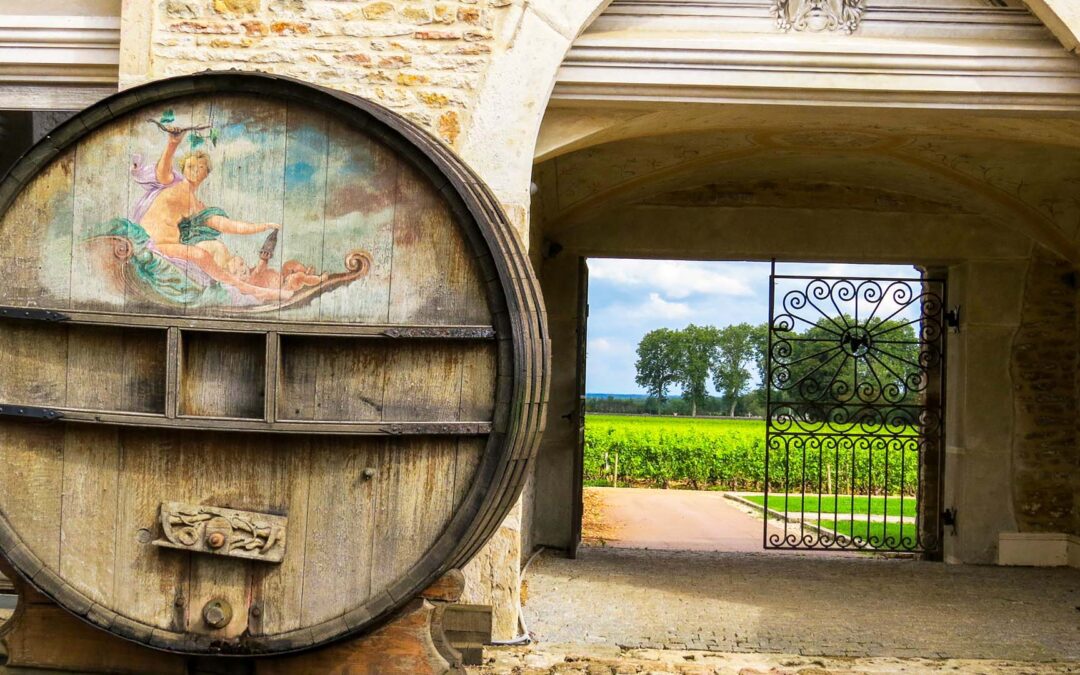
Like so many regions in Italy, Sardinia is known for wine—but these aren’t the super Tuscans or Barolos that you’re familiar with. Sardinia’s famous for red wine made from Cannonau, an ancient grape whose vines you’ll see tucked away on hillsides, comingling with sheep. Vermentino is another common varietal.
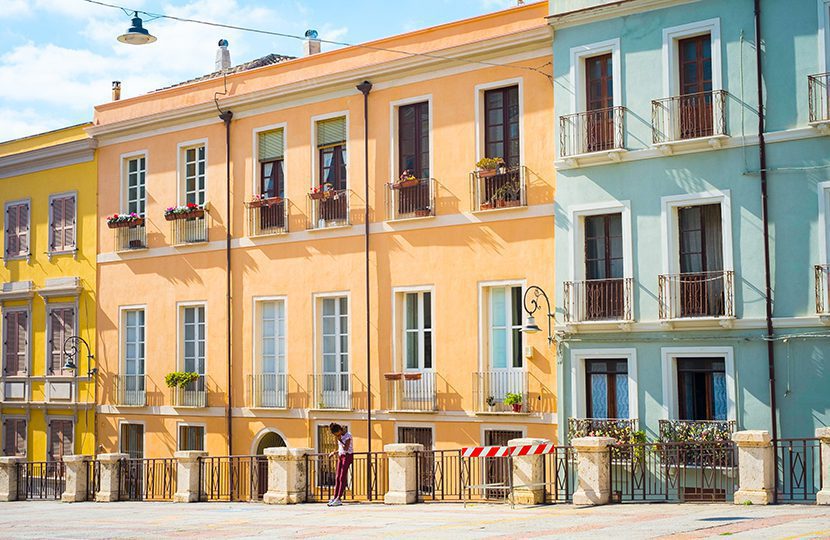
Colorful homes line Via Pietro Martini in Cagliari’s old town
While viticulture (and related tourism) in Sardinia isn’t on the same scale as, say, Napa Valley, many vineyards are open for tours and tasting. Audarya, a small family-run vineyard just north of Cagliari, is open for tours and tastings in its glass-walled tasting room, overlooking the vines. In addition to Cannonau and Vermentino, Audarya also bottles wines made from Monica and Nuragus, two more indigenous grapes.
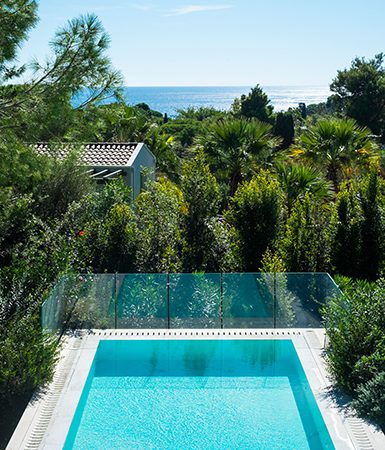
Villa at forte village
If you venture into Cagliari, a bustling port city, be sure to explore the 13th-century Cagliari Cathedral and the Museo Archeologico Nazionale di Cagliari, whose exhibitions include bronze objects and Roman artefacts from the Nuragic age through the Byzantine era. (You’ll also see nuraghi, mysterious Bronze Age stone ruins shaped like beehives, dotting the surrounding mountainous landscapes, too.)
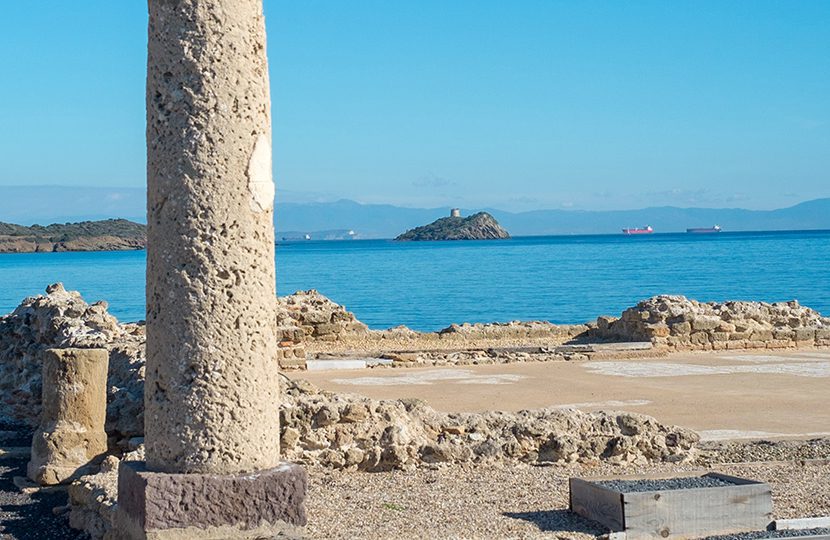
Meanwhile, just outside of Cagliari, in the town of Pula, you’ll find Nora, the incredible remains of an 8th-century Phoenician settlement. The ruins are enchanting, set adjacent to a wide bay, with an imposing watchtower on a hill. The real draw: the almost perfectly-preserved tile mosaics.
Sardinia has a long equestrian history, so those with an adventurous spirit can
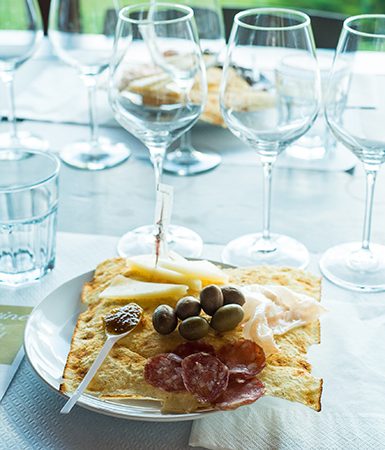
Winetasting at Audarya
head up into the foothills to explore the island on horseback, a great way to get a sense of the unique geography. Il Piccolo Ranch, a small stable in Pula, offers trail rides for beginner through advanced riders (and even has a restaurant and a small hotel on site).
Only once you’ve galloped through a grove of olive trees and scrambled up a rocky outpost on horseback to then overlook the glittering Mediterranean Sea do you truly understand that you haven’t been in Italy this whole time: you’ve been in Sardinia. ◼
Subscribe to the latest edition now by clicking here.
[/vc_column_text][/vc_column][/vc_row]