
[vc_row][vc_column][vc_column_text]It looks like the world is finally inching forward and planning for the eventual, gradual, reopening up of the economy after an unprecedented global shutdown since January of this year.
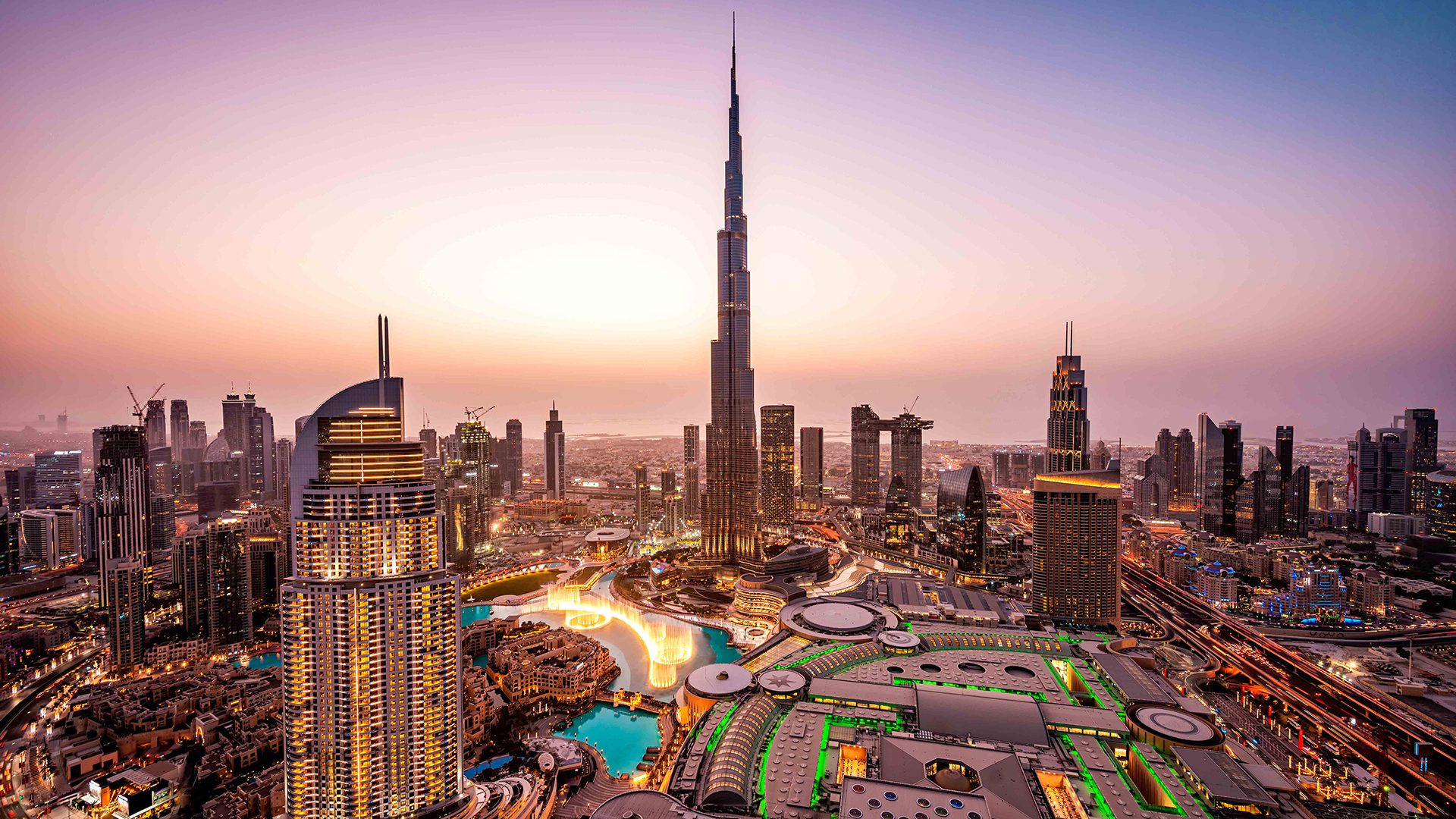
It is being reported by Arabian Business that the Dubai government has told malls to be on standby for a gradual re-opening, with heavy safety measures to be put in place to prevent the spread of the coronavirus and protect staff and customers.
What we know so far:
- No formal date has been given for the reopening but mall, restaurant, F&B and tourist attraction partners have been asked to be on standby for an announcement. Ramadan will begin shortly and for all practical purposes, shops will need to open up, even just for a few hours, within the next couple of days.
- Any reopening and lifting of restrictions will be gradual so as to ensure the pandemic continues to be kept in check and there are no instances of mass infections.
- All malls to maintain a sanitisation process 24 hours a day.
- Temperature and health screening process for everyone who enters these buildings.
- Implement isolation zones for segregating any potentially infected person.
- There will be separate entry and exit points for all visitors to malls.
- Implement mandatory social distancing of 2 meters and keep occupancy levels to 30% of the permitted zone levels. For this purpose, the maximum permissible crowd number will be displayed outside shops and restaurants for easier implementation.
- Likewise, restaurants and F&B outlets need to reduce seating to 30% and ensure that all tables are at least six feet apart.
- Tourist attractions and entertainment venues will continue to remain closed during the first phase of a four-step reopening process.
- The malls will only open for 10 hours a day, while each visitor only permitted into malls for a maximum of 3 hours. Those above the age of 60 and between three to twelve years of age will need to continue to stay at home as they will not be allowed entry to malls.
- Social distancing, maintaining a 30% occupancy and wearing of masks will be mandatory for all visitors including offices.
The above steps may seem routine and obvious as variations of these are already being implemented in different parts of the globe. This however is an essential national level protocol that needs to be implemented seamlessly before Ramadan starts in the coming days. Social gatherings are being allowed with a cap at 10 people and limited to extended family or close friends during suhoor.
All eyes will be on the UAE government and the country’s infection rates over the next 30 days as the administration executes a phased reopening of its economy. Other city states and countries may very well rely on lessons learnt from this plan as a template to be implemented in their own towns and cities over the coming weeks and months.
The United Arab Emirates has a population of about 9.6 million with Dubai and Abu Dhabi being home to approximately 3.3million and 1.4million respectively. The country’s current infection number stands at 7,750 with a death toll of 46. Approximately 1,440 people have recovered from the virus here.
The world waits and watches, hoping that by the end of Ramadan, we start witnessing rays of hope and recovery across regions. ◼[/vc_column_text][/vc_column][/vc_row][vc_row][vc_column][vc_column_text]Subscribe to the latest edition now by clicking here.
© This article was first published online in Apr 2020 – World Travel Magazine.[/vc_column_text][/vc_column][/vc_row]