
|
Listen To Article
|
The summer of 2026 is the kind that justifies the year’s planning. Three festivals overlapping in Europe, a World Cup folded into July, the Royal Academy’s walls full from mid-June, a Kyoto procession in the middle of it all. The access around these moments is the only thing worth knowing about. The held seat, the after-room, the table the app says is closed. Fourteen drops, all real, all bookable through the right call. And one closing principle that’s worth more than any of them.
BURLINGTON HOUSE, BEFORE THE BELL
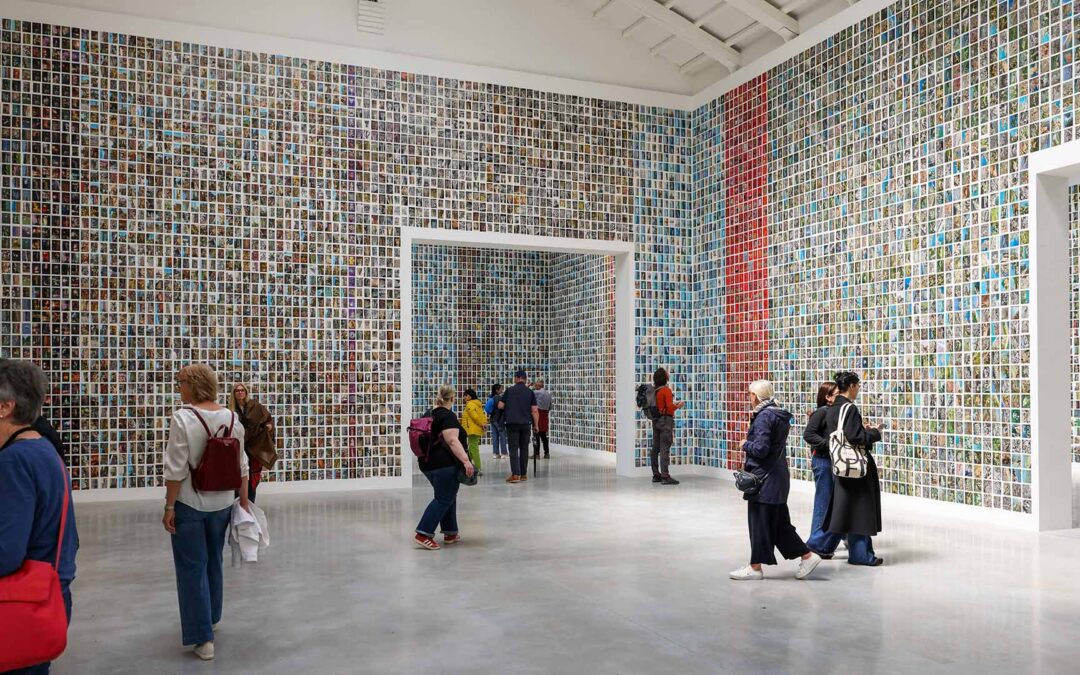
The Royal Academy’s Summer Exhibition opens on 16 June, which means by the time you read this the work is already on the walls and the rooms beyond the public galleries are quietly the most interesting address in Mayfair. The collector previews on the Wednesday evenings before the public opening, and the in-gallery gin bar evenings that run through July, are where you want to be. A members’ introduction or a sharp advisor handles it; most of the work is for sale. Pair the visit with a Wimbledon debenture (the championships open 29 June) and the right room at the Connaught or the Beaumont, and you have the most civilised forty-eight hours London offers all year.

Royal Academy
A QUARTERFINAL AT SOFI (AND THE VILLA THAT COMES WITH IT)
The World Cup quarterfinals land in Los Angeles in early July, and a discreet DMC working out of West Hollywood spent the spring assembling suite-and-villa packages for clients who decided late. The shape is consistent: hospitality at SoFi for the match, a chauffeured transfer back to a private estate in Holmby Hills or Bel-Air for the rest of the week, a chef arriving at four. The villas being held are the ones friends-of-friends rent to one another, not what shows up on Airbnb Luxe. There are perhaps three operators handling this tier in LA; the good ones still have a holdback or two for clients booking through the right advisor. Solve the villa first.

SoFi Stadium, image by Ringo Chiu, Shutterstock
THE PUJOL PROBLEM
Mexico City during the tournament is the smart play for anyone who doesn’t want to chase matches across three countries. The flights are short, the food is the best on the continent, and Pujol and Quintonil are running at full pitch through July. The catch is the reservation — both rooms close out three months ahead, and the tournament has accelerated everything. The way in is the GM line at a hotel with serious chef relationships, the kind that exists between the St. Regis or Las Alcobas and the Polanco kitchens. (For any vegan guest: Quintonil’s plant tasting and Pujol’s mole madre with seasonal vegetables are not afterthoughts — flag at booking and the kitchens compose around them.)
AIX, AND THE LUBERON BEHIND IT
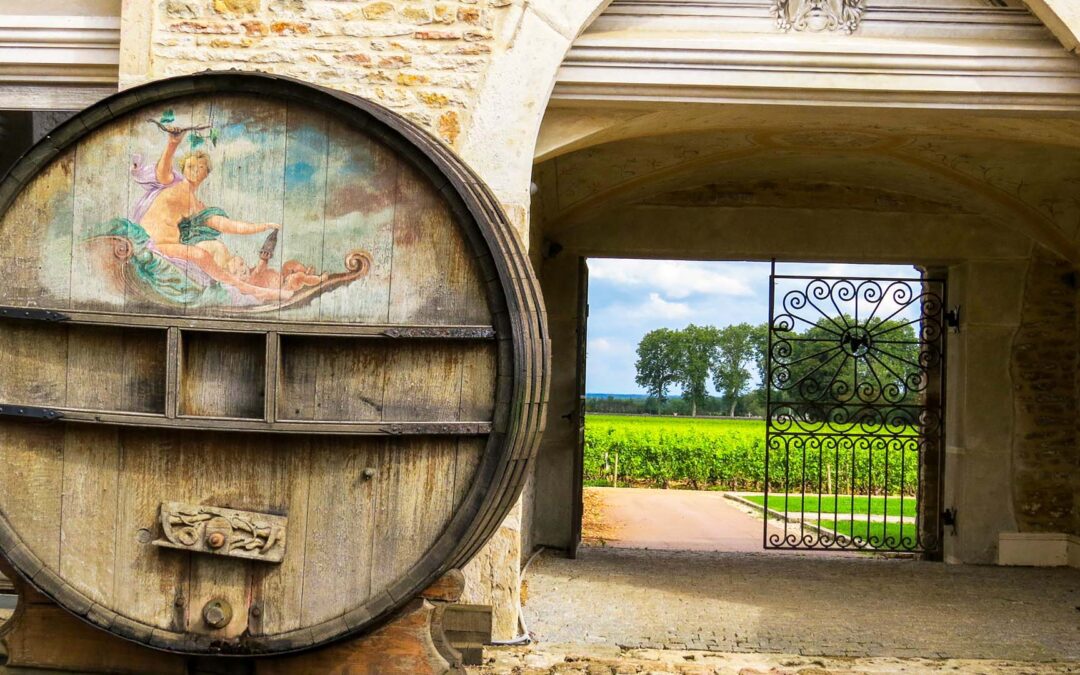
The Festival d’Aix-en-Provence runs through July, and this year’s programme at the Théâtre de l’Archevêché and the Grand Théâtre de Provence is the kind that fills the courtyards with the audience you’d expect — patrons, advisors, the families who fund the houses they attend. The civilised structure is opera in the evening, lavender in the morning, lunch at Villa Gallici or a private house rented for the fortnight, and a quiet driver who knows the back routes into Lourmarin. Tickets via the festival’s amis programme or a Provence-based concierge with house seats. Don’t attempt this without a fixer who lives there — the summer-house network in the Luberon is not on the public internet.
THE SALZBURG WINDOW IS STILL OPEN (BARELY)
The Salzburg Festival opens in late July and runs through the end of August. The serious tickets — Jedermann on the Domplatz steps, the new productions at the Felsenreitschule, the orchestral evenings at the Großes Festspielhaus — have been moving since February, but the pre-booking window for late-August dates is still cracked open. The trick is the Hotel Sacher or the Goldener Hirsch with a concierge who places guests at the Festival’s reception evenings; that’s where the rebooked seats appear. Three nights minimum, an afternoon at Schloss Hellbrunn for the air, and one dinner at St. Peter Stiftskulinarium for the room.
VALENSOLE IN FULL BLOOM
The Valensole lavender plateau hits peak around the second week of July and holds through the third — anyone telling you to come in August is selling you a brown field. The move is the private château: four to six bedrooms, a pool, a cook, a gardener who tells you when to walk the rows for the right light. A small number of estate-management firms based out of Aix and Avignon handle these houses — they don’t list, they pass between families and their advisors. Pair the stay with a day in Aix during the festival and an evening at La Bastide de Moustiers, and you’ve programmed the most photographed week of the year without a single photograph that looks like everyone else’s.
CAP FERRAT IN JUNE
Cannes ends in late May, which means June and July are when the best of the boats come quietly back into circulation — refit complete, calendar still open. The charter the broker tells you is unavailable is often the one held back for a specific client who hasn’t confirmed. Three brokers in Monaco handle the bulk of this segment, and the one your advisor calls should be able to tell you which captain runs the boat, not just the spec sheet. The cruise is Saint-Tropez to Cap Ferrat, dinner at La Vague d’Or, lunch at La Réserve de Beaulieu, anchor off Pampelonne when you want to be seen and the Îles d’Hyères when you don’t.
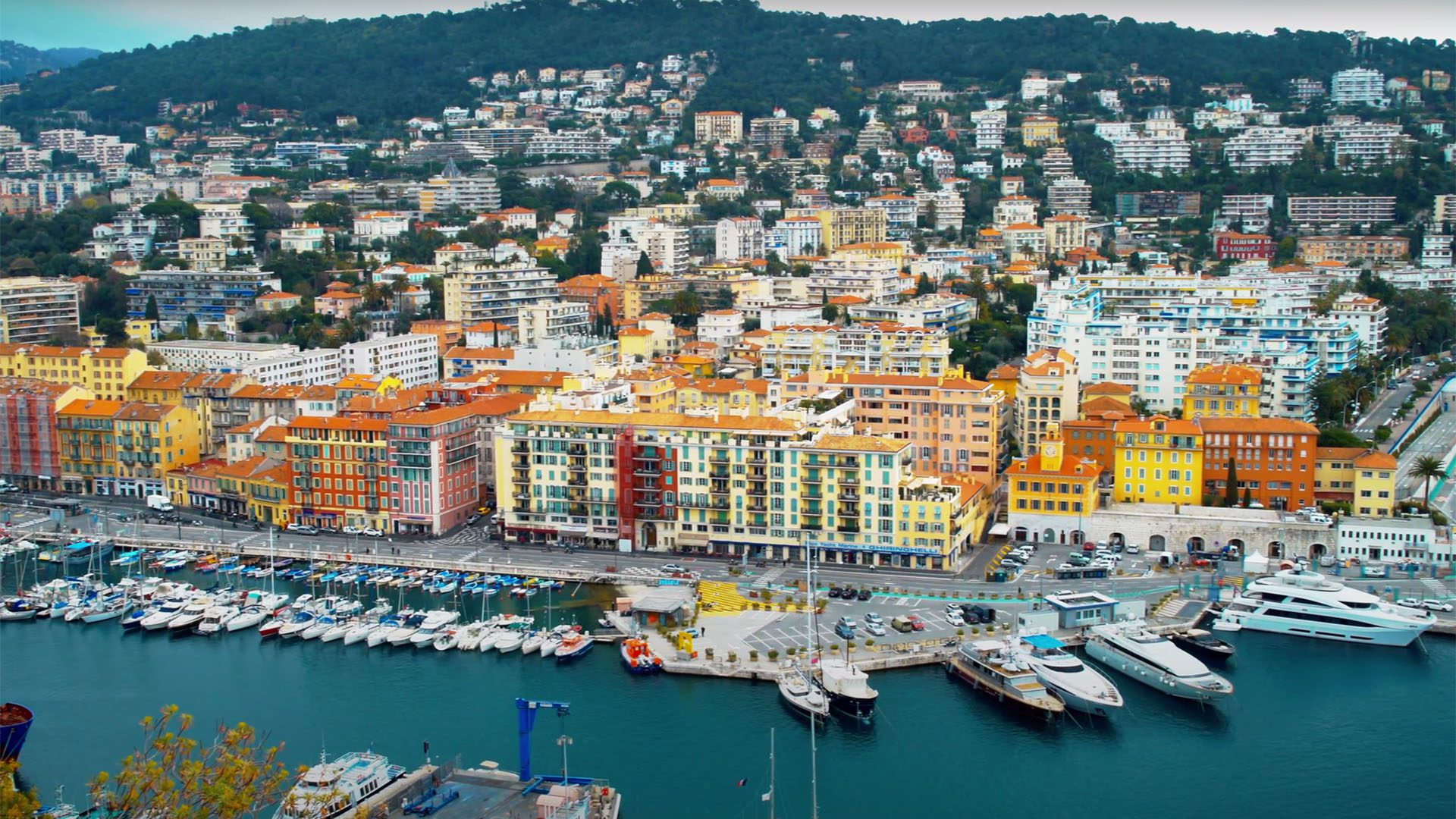
Destination Nice: Winter Resort Town & Cultural Gem in the French Riviera
CENTRE COURT, PROPERLY
Wimbledon runs 29 June through 12 July. Debentures — the five-year tickets that grant access to Centre Court, No.1 Court, and (more importantly) the debenture-holders’ lounge — are the only way to do the Championships at the level your week deserves. A small number of brokers buy and resell debenture tickets day-by-day; the right one quotes you the date, the seat, and whether the access includes the No.1 Court bar where the players walk through. A car from Claridge’s or the Berkeley, a debenture car park pass, a quiet lunch before the first match. The civilised Wimbledon is the only Wimbledon worth attending.

Outside the All England Lawn Tennis and Croquet Club, image by Ceri Breeze, Shutterstock
AUGUST IN THE VAL D’ORCIA
August in Tuscany is the season for an isolated villa with a resident chef — the kind of house that comes with a kitchen garden, a cellar already provisioned by the family that owns it, and a sommelier who arrives on Thursdays. Summer black truffles peak in August (the white truffle is autumn — anyone promising white in August is misinformed at best). The Val d’Orcia houses and the older estates above Greve are still findable for August through a serious Italian agent. Two weeks is the right length; one week is a stunt. The chef should be discussed in advance — the better agents now match Tuscan houses with younger Roman or Florentine kitchens and can name names, not profiles.
EDINBURGH, BEFORE EVERYONE REALISES
The Fringe runs through August and the International Festival overlaps it. By the second week of August the city is full and the houses on the Royal Mile and around the Botanic Gardens have gone for triple their winter rate. The lock-in is now: a townhouse rental through a Scottish private-letting specialist, a Gleneagles or Glenapp drive-out for the second week, and tickets through a member of one of the city’s clubs (the New Club is the durable answer) who can hand you their evening picks. The shows worth the seat are at the Traverse, the Lyceum, and the late-night programme at Summerhall — not the Underbelly.
THE GION FLOAT
Kyoto’s Gion Matsuri runs through July, with the Yamahoko parade on the seventeenth and the smaller procession on the twenty-fourth. The way to experience it is not from the street — it’s from a machiya rented for the week or a room at Tawaraya or Hiiragiya, the two ryokans that have hosted four generations of the families who come back. The right okami arranges the viewing balcony, the kaiseki adjusted for any dietary requirement (shojin ryori — the temple-cuisine tradition — is naturally vegan and arranged at short notice through the temple-affiliated kitchens), and the geiko viewing at a teahouse that requires an introduction. The cherry-blossom crowds are gone; the city is yours again.
ICELAND, THE LONG-LIGHT WEEK
Iceland in late July is the long-light window — eighteen hours of daylight, the heather coming in, the salmon rivers in form. There’s one private lodge in the Troll Peninsula with a week still open in the last fortnight of July; the operator runs it as a small number of rooms with a helicopter on call, a guide team, and a kitchen turning out langoustines from the morning’s catch. The same week is heli-skiing in May, fishing and riding now. Book directly through the operator’s private bookings line, not the website — the website rate is for the months without the helicopter.
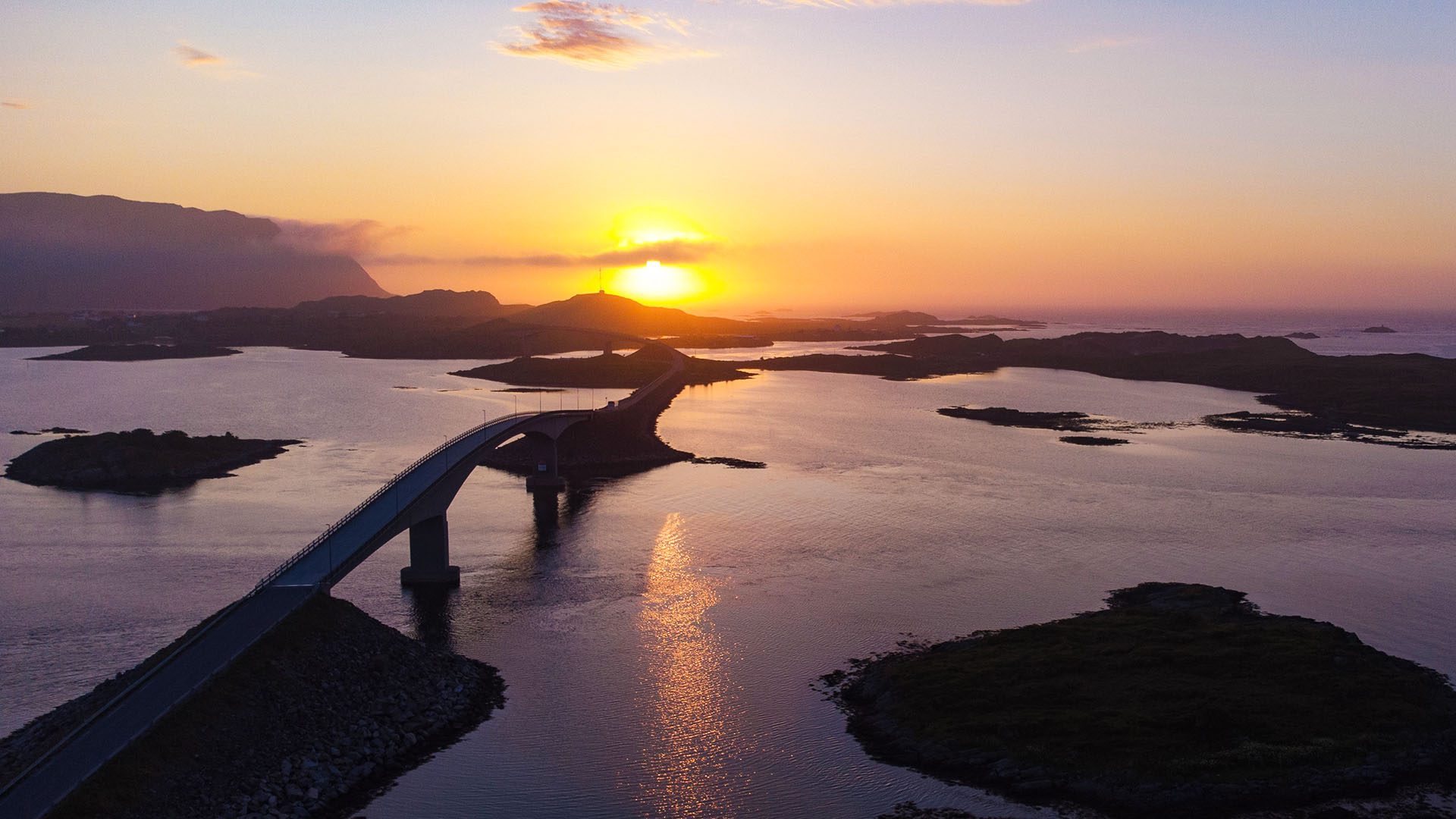
Bridge in Lofoten during the midnight sun evening, Image by Pablo Joanidopoulos, Shutterstock
A SOUTH PACIFIC HOLDBACK
The South Pacific in August is winter there, but the air is dry and the lagoons are warmer than they look. A small number of private-island resorts hold back a villa or two until July for the families that book annually but haven’t confirmed; they don’t appear on the public availability calendar. Fiji’s Laucala and French Polynesia’s Brando are the two with the most consistent multi-generational repeat trade — the holdbacks tend to be the larger residences (six bedrooms and up). The advisor calls the private bookings line, not the reservations team. Ten nights minimum; under that, you’ve spent more time in the cabin than in the lagoon.

Bora Bora, French Polynesia, image by ACERS_FOTO, Shutterstock
THE SUMMER MOVE
The single most useful instruction to give an advisor this summer is to plan the trip around one extraordinary cultural moment — a Salzburg evening, a Wimbledon final, the Gion parade, a Royal Academy private view — and to build the rest of the days around it. The geography arranges itself. The week before becomes Aix; the week after becomes the Luberon. The London stop becomes the four-night Connaught stay with Hyde Park mornings. Travel built around a fixture has a spine. The houses, the dinners, the drives are connective tissue. Without the anchor, the most expensive itinerary in the world reads as a list of places.
The summer’s most luxurious move is not the suite at the hotel everyone is talking about, nor the yacht with the largest beam in the marina. It is the decision to be present — properly present, with the right room and the right table and the right introductions arranged — for one extraordinary cultural moment that is happening anyway. The festival, the parade, the opening night, the match. The world organises itself around these moments. So does the person whose summer is worth talking about in September. The rest are still asking what to do; the people who get it right have already booked the anchor, and let the calendar arrange itself. ◼
Subscribe to the latest edition now by clicking here.
© This article was first published online in June 2026 – World Travel Magazine.