
|
Listen To Article
|
TAKEOFF: THE SEASON OF MAKING. For two decades the highest-status sentence in travel ran three words long: I was there. Presence was the flex, the room nobody could book, the table that took a year, the island with no sign at the jetty. That sentence is losing its charge. Its replacement is shorter and harder to fake: I made that. Across this issue, World Travel Magazine tracks the same structural shift from five directions: estates, ateliers, kitchens, conservancies, and the residency floor. Access still costs money. Authorship costs something scarcer, and the market has noticed. Five signals, then the features that prove them.
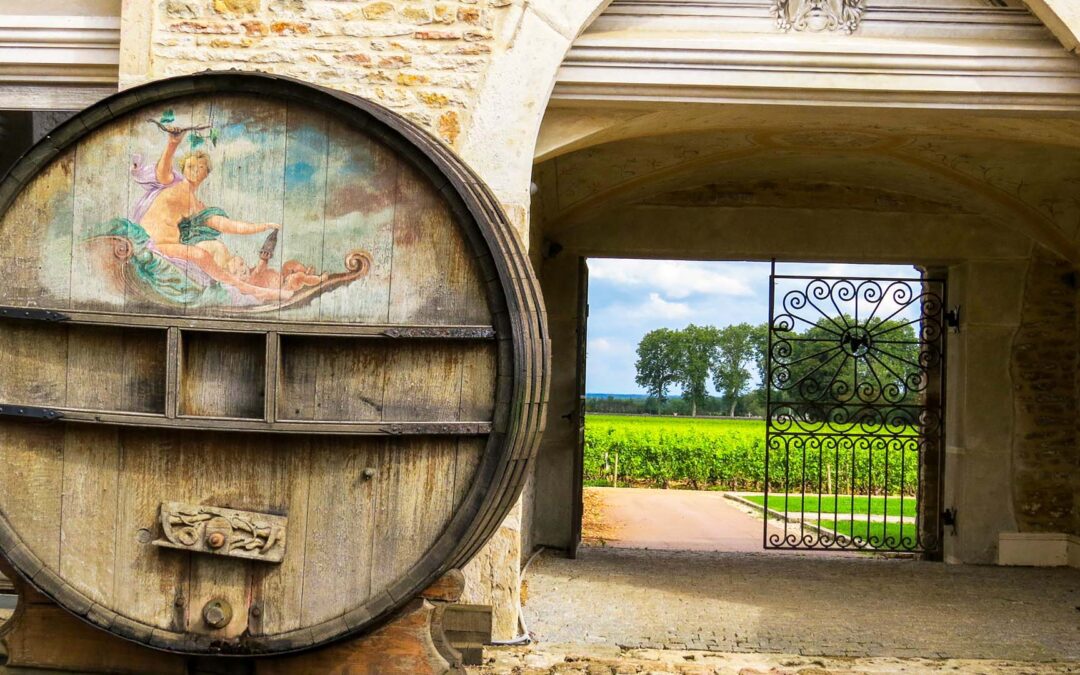
One: The Barrel Economy. Great estates are converting their rarest asset from the bottle to the harvest itself. At Ornellaia in Bolgheri, the September vendemmia now sells as an experience with the choreography of an allocation; in the Douro, Symington and Quinta do Noval turn the treading floor into a product with a guest list, not a gate. The scarcity has migrated. A case of first-growth is finite but replicable; a seat on the sorting table during the three weeks that decide the vintage is not. Waiting lists for harvest residencies are beginning to behave like en primeur, names carried year to year, refusals softened with “next season.” The Mira story in this issue shows where that logic ends. By 2028, the estates that survive the correction will be the ones selling fewer bottles and more Septembers, and charging accordingly.
Two: The Commission Class. Order books at the great workshops are filling with travellers who want to co-author, not acquire. At Kaikado in Kyoto, where a single tea caddy passes through more than 130 steps by hand across six generations since 1875, the commission, your copper, your patina, your dimensions, is the object of desire, not the shelf model. Jaipur’s Gem Palace reports the same appetite for the client who sits at the bench. Patronage is becoming the new provenance: the receipt everyone wants is the one that says made with, not bought from. By 2028, the atelier waiting list replaces the boutique queue as the true measure of access, and the commission slot becomes an inherited asset.
Three: The Chef’s Shift. Serious kitchens are quietly monetising the stage. The stagiaire, historically unpaid, fiercely competed for, has been inverted: guests now pay to work service, and the chef’s table gives way to the chef’s shift. Table 301 sells “Chef for a Day,” where you suit up, run a station, and leave with a signed menu instead of a photograph. The souvenir is no longer the meal; it is the burn scar and the muscle memory. The economics are irresistible, a kitchen that once absorbed the cost of teaching now charges for the seat at the pass. By 2028, the shift replaces the tasting menu as the flagship product at a tier of restaurants that have run out of things to plate you and started selling the plating itself.
Four: The Conservation Shareholder. Safari and marine programmes are converting guests from spectators into named funders of specific things. The Lionscape Coalition, andBeyond and Singita among its founders, channelling into the Lion Recovery Fund, has moved USD 48.9 million into projects across 26 countries as of July 2025; the donation attaches to a range, a pride, a collar. At Four Seasons Kuda Huraa, the Reefscapers programme lets you plant a coral frame that is photographed and monitored roughly every six months, forever. The update email is the souvenir. Ownership has replaced observation. By 2028, the naming right, your lion, your reef segment, your line item in a hundred-year plan, becomes a standard line on the invoice, and the annual progress report becomes the trophy on the wall.
Five: The Residency Traveller. Hotels and estates are building maker-residencies as the highest-margin product they have ever sold, write, throw, distil, compose. LVMH’s Ardbeg House opened on Islay in September 2025 selling the distilling life, not the dram; writing residencies and ceramics floors are appearing where the spa used to be. The maths are brutal and beautiful: a suite sells one night; a residency sells a week, a skill, and a finished object the guest values above anything in the minibar. By 2028, the residency floor is the most profitable square footage in the building, and the hotel that only lets you sleep looks as dated as the one that only lets you look.
The pattern beneath all five is a single sentence changing hands. Turn the page, the makers are waiting, and they have already started without you. ◼
Subscribe to the latest edition now by clicking here.
© This article was first published in Aug-Sept-Oct 2026 edition of World Travel Magazine.