
|
Listen To Article
|
The Chalk Beneath the Bubbles. A grower crouches at the end of the row, splits a green grape against his thumbnail and touches it to his tongue. Not yet, he says, and stands, and looks up the slope toward Épernay where the light is going the colour of old brass. Around him the Chardonnay hangs heavy and unpicked, the bunches tight and swelling, sugar climbing in them by the hour. The vines are ready to be almost ready.
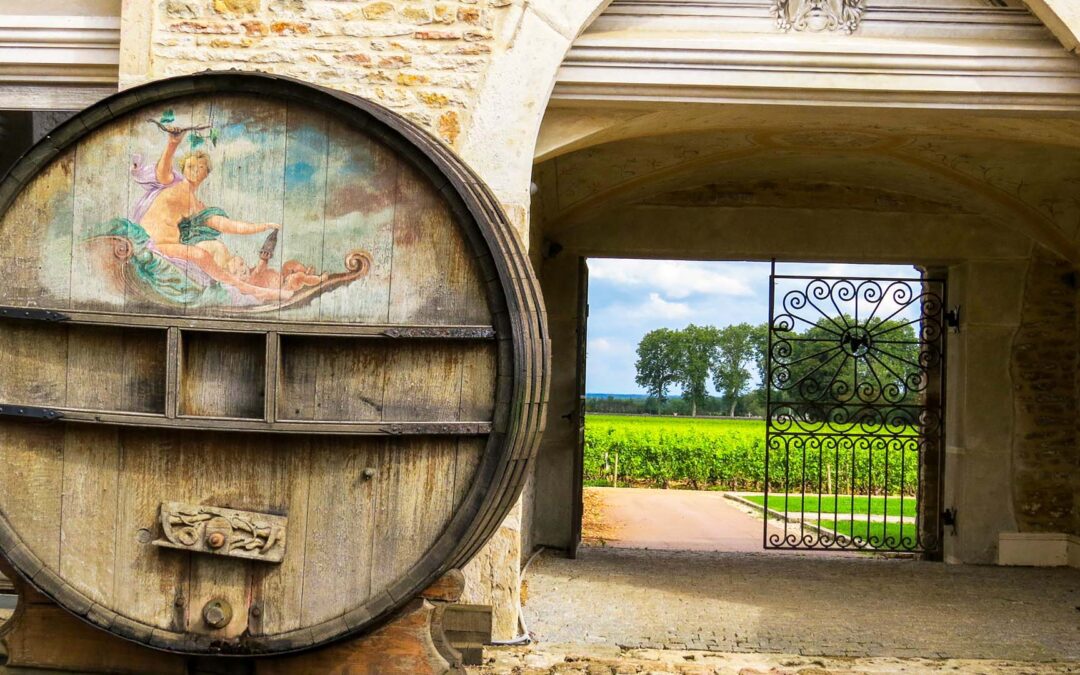
This is the Côte des Blancs at the hinge of the year, the charged weeks when nothing happens and everything is about to. Harvest is a month off, late August folding into September. Until then the whole country waits, quiet in the way a house goes quiet before the guests arrive, and the pale ground between the rows gives back the day’s heat in one long, slow breath. That ground is the reason for all of it.
Beneath your feet the story is older than any name on any label. Seventy million years ago this was seabed, a warm shallow ocean whose creatures fell and settled and pressed down over unhurried millennia into chalk, hundreds of metres of it, soft and white and full of the memory of water. That chalk is the whole secret. It drains the rain, it holds the warmth, it feeds the vine a thin mineral austerity that no richer soil could give. Taste it later in the glass and you will not be imagining things. The sea is genuinely in there.
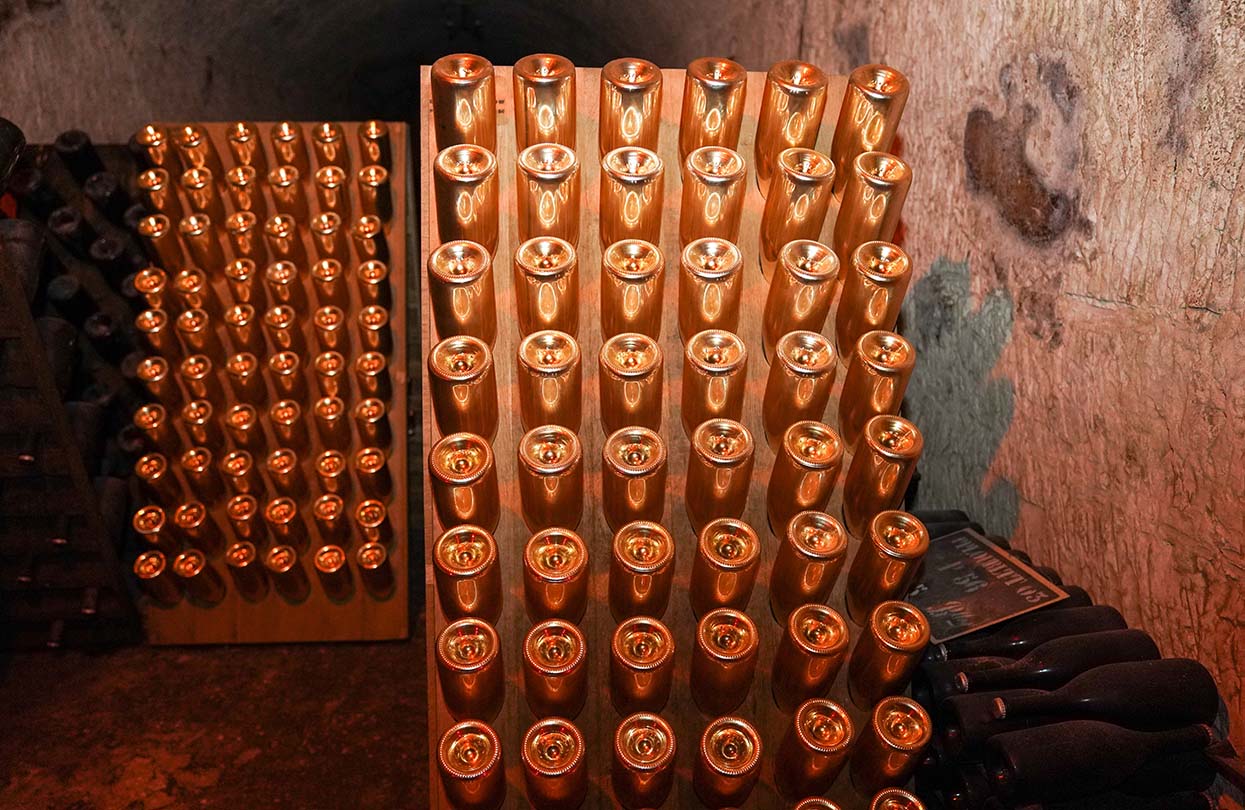
Champagne bottles in pupitre in Reims, France, image by Leonard Zhukovsky, Shutterstock
Under Reims and Épernay the chalk was cut long ago into pits the Romans left behind, the crayères, and it was into this cool white underworld that the houses carried their wine. Descend into the crayères at Ruinart, oldest of them all, its cellars now held as a UNESCO site, and the temperature drops with each step until the summer above becomes a rumour. The passages open into vaulted chalk chambers that rise like the naves of a drowned cathedral, candle smoke and stone dust in the air, the walls scored by tools three centuries cold. Bottles lie stacked in their millions, resting in the dark. At Krug, at Moët where the Dom Pérignon sleeps, at Bollinger and at Pol Roger, the same hush holds. Wine here is not made so much as kept, patiently, the way you keep a secret.
Above ground, the quiet revolution is a different one. For most of a century the story of Champagne was the story of the great houses, the blenders who gathered fruit from a hundred villages and shaped it into a single unwavering style. Now the discerning drinker leans closer to the growers, the récoltant-manipulants who make wine only from their own land and let each village speak in its own accent. Anselme Selosse at Avize turned his family holding into something closer to a philosophy, oxidative and mineral and alive. Egly-Ouriet in Ambonnay coaxes a deep, red-fruited gravity from old Pinot vines. Ulysse Collin bottles the chalk of a single slope almost undisguised. These are wines with an address, a soil, a hand behind them, and to drink one where it was grown is to understand that Champagne was never a brand. It was always a place.
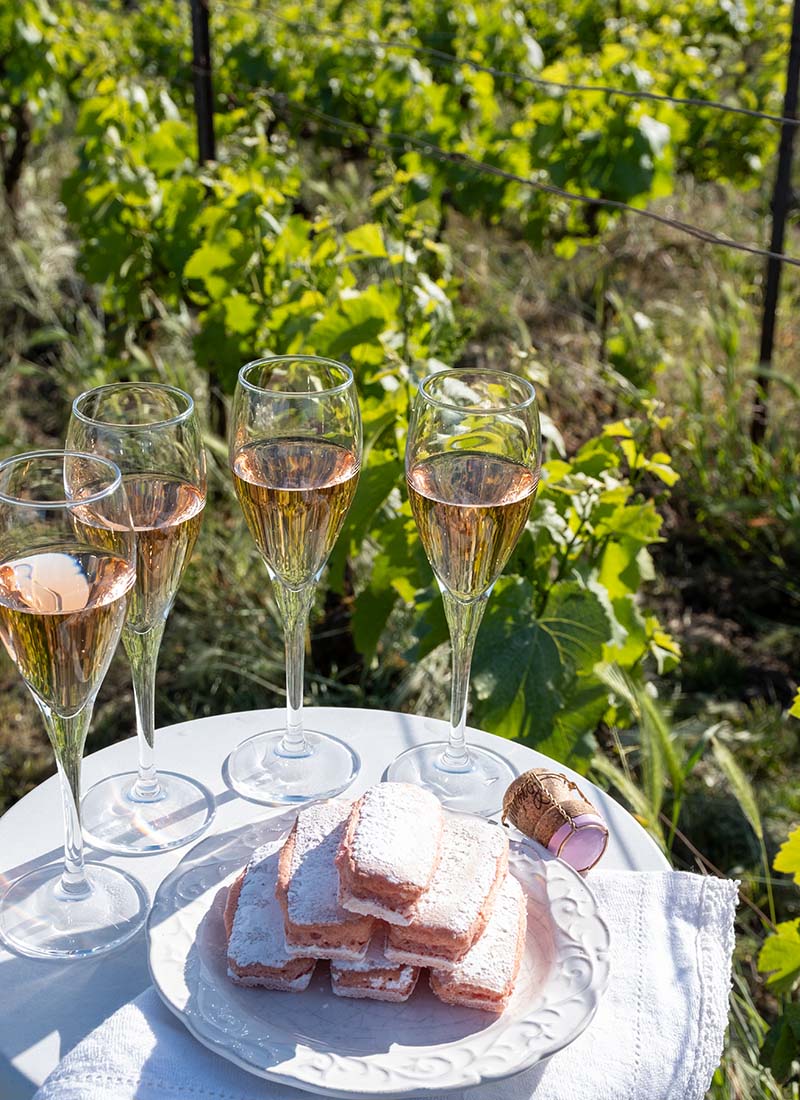
Vallee de la Marne, Champagne, image by barmalini, Shutterstock
You will want to stay long enough to feel that. Above Épernay, the Royal Champagne Hotel and Spa is folded into the hillside so that the whole valley of vines falls away beneath your terrace, and the light at evening does the work no menu could. In Reims, Les Crayères keeps its own gravity, a château set in parkland with a two-Michelin-star table where the sommelier speaks of the growers by their first names and pours as if introducing you to friends. Neither place asks you to hurry. Both understand that the point of coming here is to slow to the pace of the ripening fruit.
And then the taste itself, which is the reason for all of it. Champagne drunk in Champagne is a different creature from the bottle opened at a distant celebration. There is the citrus first, lemon and green almond, bright and cutting. There is the chalk beneath, that saline, stony coolness the French call minéralité and everyone else struggles to name. There is the slow arrival of brioche and toasted hazelnut from the long years in the dark, and under all of it a fine, insistent thread of acidity that keeps the whole thing lifted and clean. The wine does not so much sparkle as breathe. Each sip is the slope and the season and the sea all at once, delivered cold to the tongue on a warm night.
This is what the World Travel Magazine reader crosses a continent for. Not a drink ordered from a list, but a landscape you can taste, chalk and sunlight and patience, poured. Come now, in these charged pre-harvest weeks, and you catch the region at its most expectant, the cellars full and the vines fuller, everything leaning toward the moment the pickers arrive.
Stay out in the rows until the last light goes. The valley cools. A glass in your hand catches what remains of the sun, gold turning to grey turning to the first blue of night. Below you the chalk gives back the day’s warmth in a long slow exhale, and the grapes hang heavy in the dark, waiting. ◼
Subscribe to the latest edition now by clicking here.
© This article was first published online in July 2026 – World Travel Magazine.