
|
Listen To Article
|
The World Cup is glorious. Go, if you love football.
Then leave. Or better: don’t go at all, and let everyone else go for you.
This is not a column against the tournament. The 2026 World Cup is one of the most generous spectacles humanity organises — three countries, sixteen cities, four weeks of strangers hugging in stadiums. It is a wonderful thing. Pack a flag. Buy the ticket to Mexico City. Sing in the rain in Vancouver. I mean it.
But while you are deciding, notice what the rest of the world is doing.
It is leaving.
Right now, the global travel machine has tilted decisively toward North America. Hotels in Dallas are charging Paris-in-August prices. The flights to LAX are full. Every concierge in Manhattan is fielding the same three questions about Hard Rock Stadium. Wonderful for them. Wonderful for the tournament. And wonderful, in a way nobody is talking about, for everywhere else.
Because everywhere else is suddenly, gloriously, temporarily emptier.
This is the opportunity the herd is handing you.
Three moves.
Move one. The Mediterranean is having a June it hasn’t had in years. The big-ticket Augusts will still come — Mykonos will still be Mykonos, Capri will still be Capri — but right now, in this window, the islands the spotlight skips are unusually civilised. Folegandros has rooms. Tinos has a kitchen at To Thalassaki that will actually take a 9pm walk-in. The Aeolians — Salina, Filicudi, the slow archipelago north of Sicily — are returning ferry timetables instead of waitlists. The Dalmatian coast is a parade of small islands (Vis, Šipan, Lastovo) where the cicadas are louder than the boat traffic. Southern Turkey has Datça, which most of the world still cannot place on a map, and Kaş, which has the same Aegean light as Bodrum without the Bodrum tax. None of these places are quiet because they’re bad. They’re quiet because everyone you know is in Atlanta.
Move two. Asia, in the parts the football crowd isn’t even pretending to think about.
Japan in early summer is the country’s most underrated season — the rains thin out by late June, the heat hasn’t cracked open yet, and Naoshima at this time of year is twelve degrees cooler than its August reputation. The Setouchi islands are quietly the best thing the country does. Kanazawa has a Tuesday lunch slot at Tsubajin. The South Pacific is in dry season, which means Aitutaki, Vava’u, and the smaller Fijian outer islands are at their cleanest, clearest, most pointless-to-photograph best. And Sri Lanka’s east coast — Trincomalee, Passikudah, the long arc up to Kuchchaveli — has its proper sunny window right now while the rest of the country pretends it’s monsoon. Nobody competing with you for these dollars is also bidding on a Toronto hotel room.
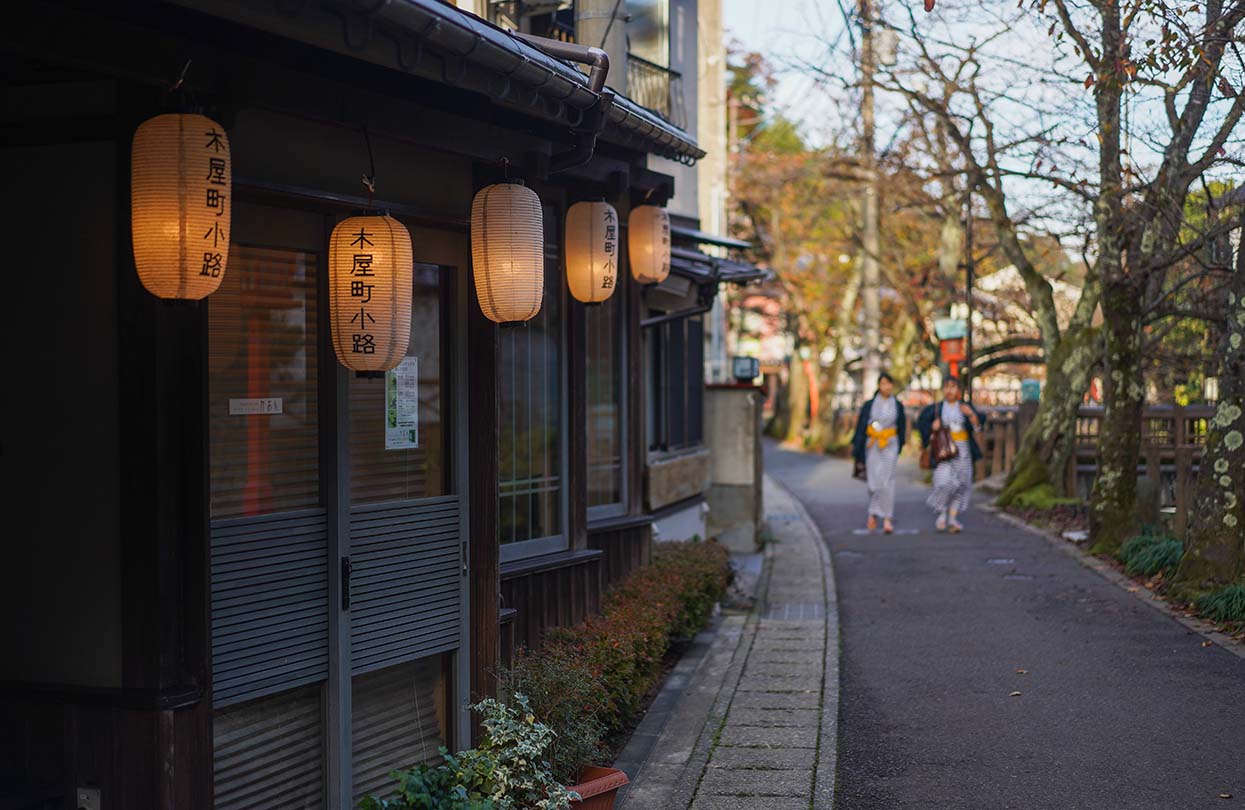
Walking at Kinosaki Onsen, Image by Rei Imagine, Shutterstock
Move three, and this is the one people forget.
The world’s other great cities are having a summer.
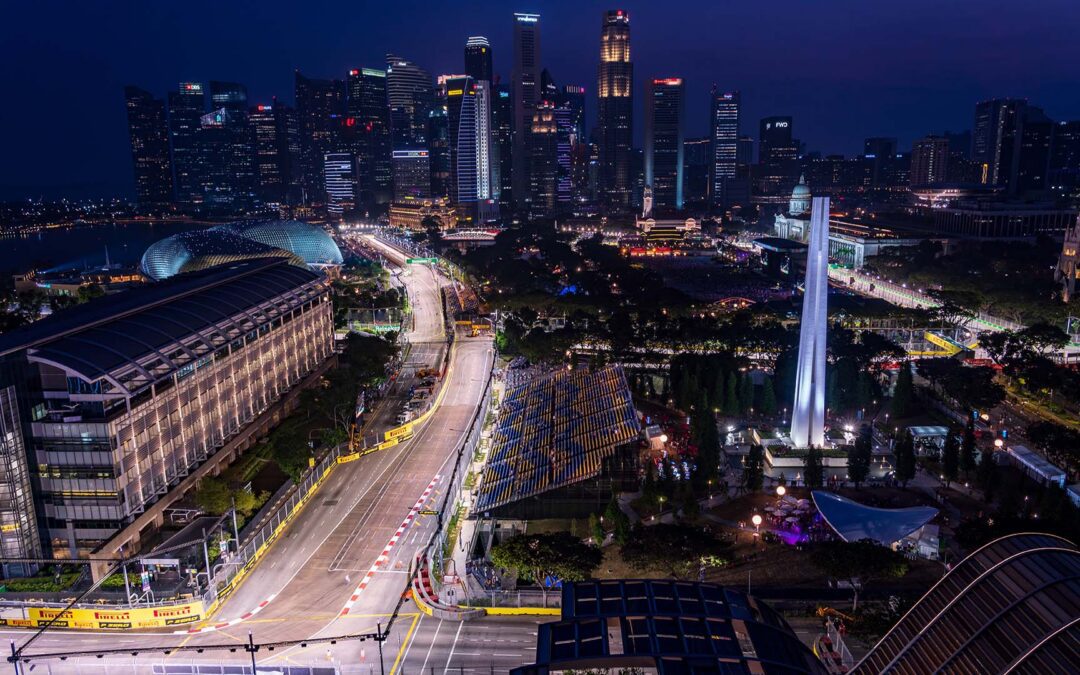
Not the host cities. The other ones. Lisbon, in June, before the August Americans arrive, is the easiest version of itself — you can actually get into Belcanto. Vienna is empty in the way Vienna is supposed to be empty, which is to say the Naschmarkt is local again, and Café Sperl will give you the corner table without the eye-roll. Copenhagen is at its most charming because half the Danes are at their summer houses; Refshaleøen is breathing. Singapore in the monsoon shoulder is cooler than its reputation and the queue at Burnt Ends has shrunk from absurd to merely silly. These cities are not having a slow summer because they’ve lost their nerve. They’re having a slow summer because the world is paying attention to a football. Wonderful for the football. Excellent for you.

View of the Tagus River at evening sunset from a hillside cobblestone street in the medieval Alfama district of Lisbon, image by Kirk Fisher, Shutterstock
A moment of self-awareness, because you would notice if I didn’t.
Yes — telling you to avoid the crowd is itself a form of crowd-following. If every reader of this column books Folegandros tomorrow, Folegandros will be packed by Saturday. I am aware of the paradox. The honest defence is that I would rather a hundred of you find these places than tell you nothing and let the herd pull harder in the other direction. Also, frankly, the columns this magazine publishes do not have the gravitational pull of a World Cup. We are safe. Move fast anyway.
This is what we believe at World Travel Magazine, in case the philosophy has been buried under the specifics. The trophy is wonderful. Wonderful things are worth celebrating. But the trophy is not the only thing happening in the summer of 2026, and the sharpest version of you knows that the most rewarding travel often happens in the negative space — the places the spotlight is no longer pointed at, where the restaurant has its table back and the harbour has its quiet back and the staff at the small hotel on the small island have time for an actual conversation instead of a transaction.
So watch the games. Cry at the final. Buy the jersey.
And then, while the cameras are still pointed at New Jersey, go to the island.
The spotlight is a wonderful thing to follow.
It is a better thing to walk away from.
Pick your summer accordingly. ◼
Subscribe to the latest edition now by clicking here.
© This article was first published online in June 2026 – World Travel Magazine.