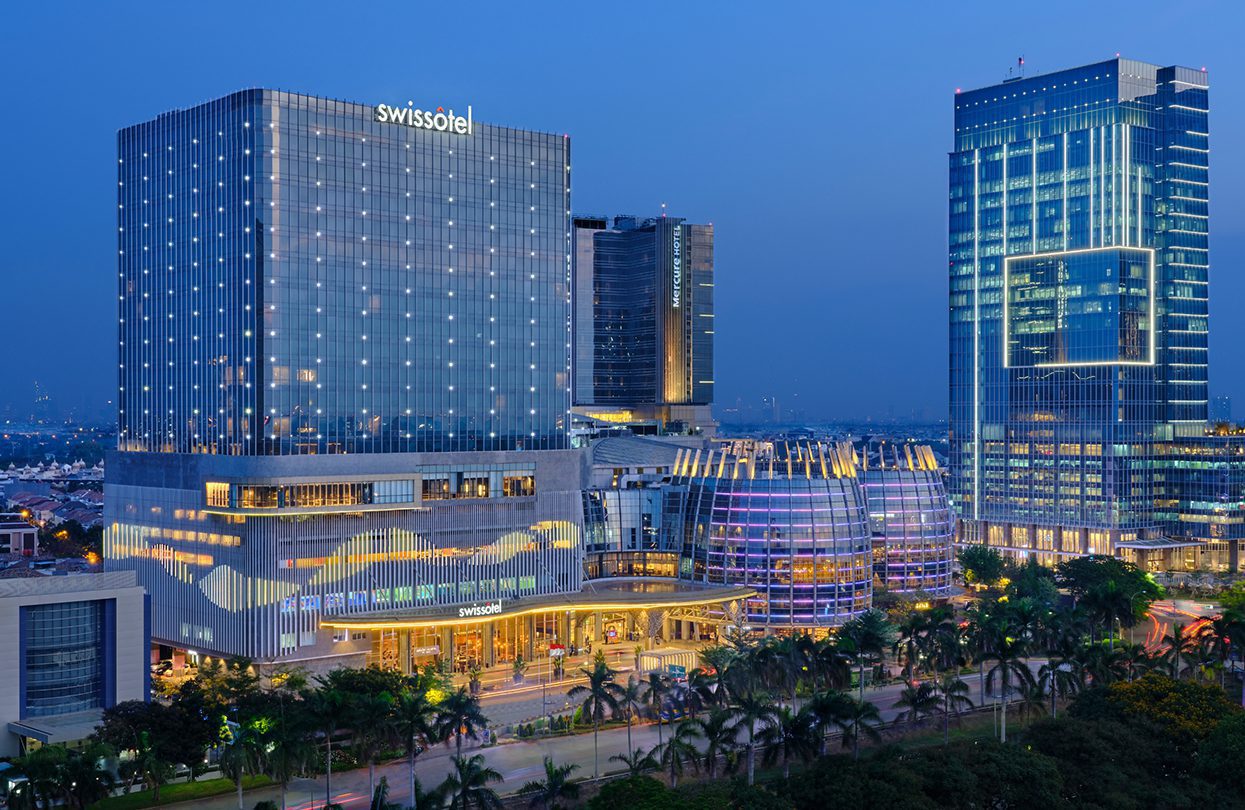
[vc_row][vc_column][vc_column_text]The new Swissôtel Jakarta PIK Avenue promises a memorable stay in a serene part of the Indonesian capital
A prestigious community in North Jakarta, Pantai Indah Kapuk (often shortened to PIK), is an affluent, tranquil, hip district with tree-lined boulevards, grand houses, scores of restaurants, and blessed with light traffic. It’s also accessible from Soekarno-Hatta International Airport in just 15 minutes and is where to find the new 412-room Swissôtel Jakarta PIK Avenue, directly connected to its neighbour, the curved, futuristic PIK Avenue shopping mall.
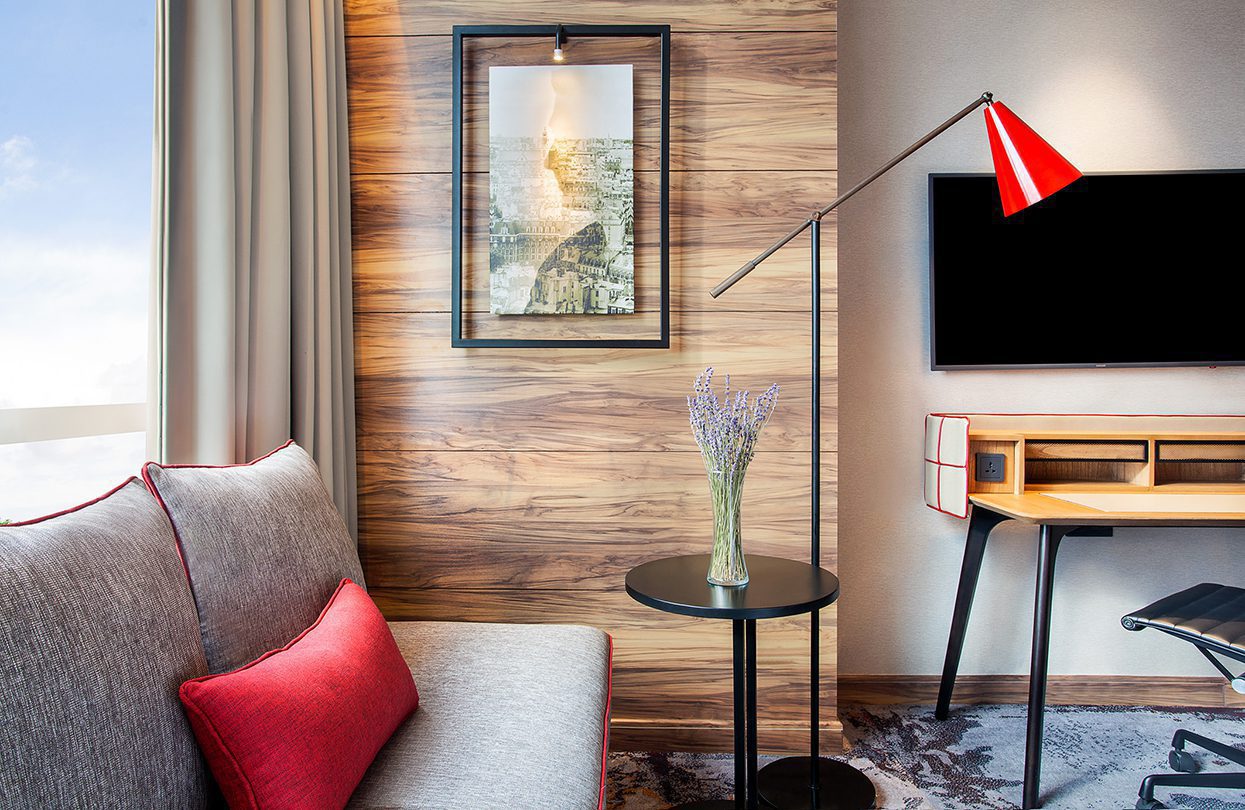
The rectangular glass tower, complementing the shopping centre’s avant-garde design, is the first property for the Swissôtel brand in Indonesia, and meshes alpine energy with local sensibilities. The brand, founded in 1980, has more than 30 hotels globally, an exclusive collection within parent company Accor’s 4,900 hotels and residences across 110 countries. Here, at this contemporary property, rooms come with simple, clean design, plenty of light tones brightened by bright cushions and lamps, and wooden accents lending them a natural aesthetic, while views take in Jakarta Bay and the Tzu Chi Buddhist centre.[/vc_column_text][/vc_column][/vc_row][vc_row][vc_column][vc_column_text]
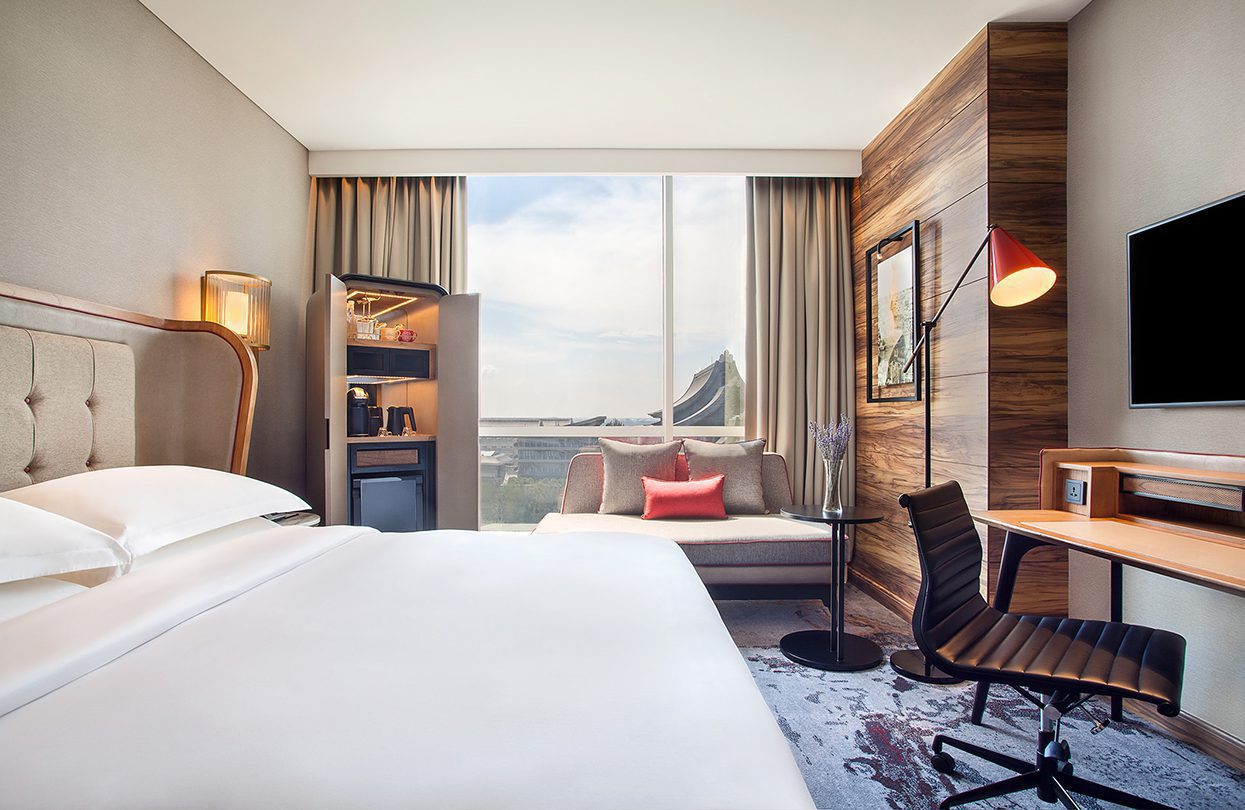
Swissôtel Jakarta PIK Avenue room with a view of Tzu Buddhist centre
[/vc_column_text][/vc_column][/vc_row][vc_row][vc_column][vc_column_text]Dining choices are notable for their variety. Summers at the Pool offers refreshingly ice-cold beverages and a range of dishes served next to the pool surrounded by lush gardens. The delicatessen Brownmilk appeases early risers and night owls — it’s open 24 hours — with freshly baked breads and pastries, crisp salads, deli-style sandwiches, smoothies, coffee and tea. Helmed by a master chef, the Chinese National is a unique concept, with four different eateries in one. Paper Duck serves Cantonese delicacies as well as Peking Duck; Iron Needle specialises in noodle dishes like classic mian, hand-pulled la mian, and fried hor fun as well as Hong Kong-style dim sum; Black Powder Red is a fiery journey into the complex layers of Sichuan cuisine; Letterpress presents a tea-house by day, with an enticing signature afternoon tea, and elegant bar by night.[/vc_column_text][/vc_column][/vc_row][vc_row][vc_column][vc_column_text]
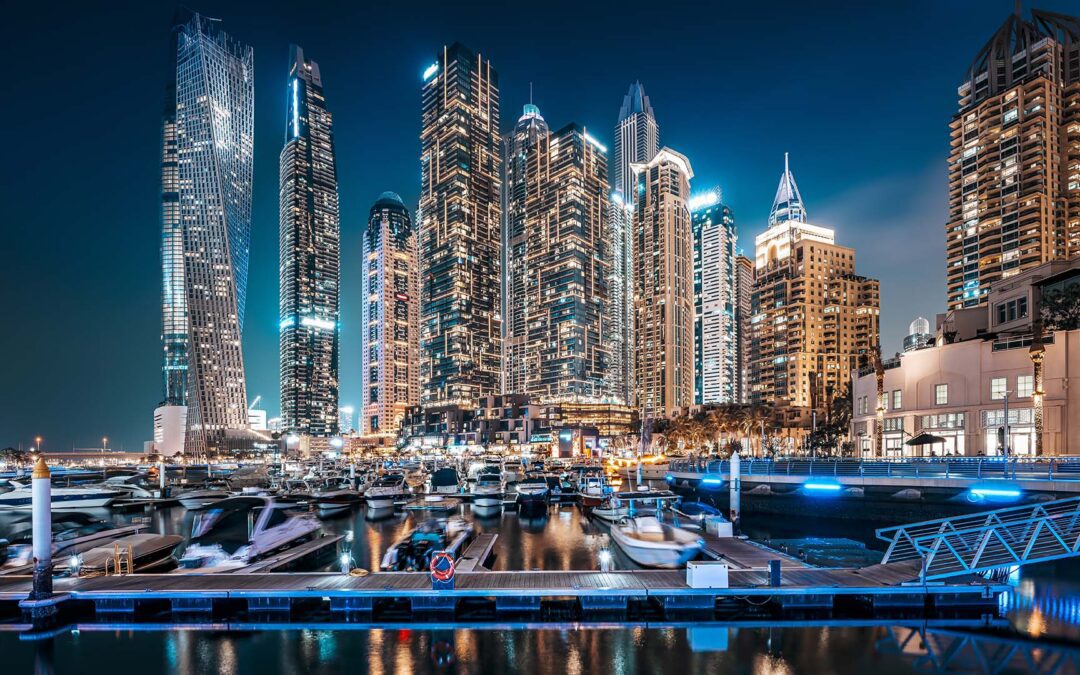
Swissôtel Jakarta PIK Avenue
[/vc_column_text][/vc_column][/vc_row][vc_row][vc_column][vc_column_text]For active guests — or those looking to simply unwind — Pürovel Spa & Sport is inspired by the Swiss Alps and provides an outdoor pool, a handsomely equipped fitness centre, spa treatments, and a full hair salon. Anticipate impressive meetings facilities such as nine meetings rooms, an amphitheatre, two lounges, and the largest ballroom in North Jakarta – The Grand Ballroom welcomes up to 3,000 guests or be divided into four smaller spaces for smaller gatherings.
Beyond the hotel there is much to enjoy in an area where grand houses feature Corinthian columns and lavish porticos. Next door, the six-storey PIK Avenue mall opened in 2016, focusing on premium lifestyle brands. It’s a bright place, with a broad array of smartly curated, diverse stores — L’Occitane, Guess, Mont Blanc, Uniqlo, Levi’s, and Sephora to name a handful. The neighbourhood has also become a culinary magnet with people descending here from all over Jakarta to eat at the restaurants lining Jalan Marina Indah Raya or stalls in PIK Fresh Market. The Tzu Chi Buddhist centre across the road has a school, foundation, learning centre, bookstore/cafe, television studio, and a large mangrove behind that begs exploration. At the heart of all these fascinating sights sits the Swissôtel Jakarta PIK Avenue, a cosseting, comforting base from which to experience this emerging, walkable part of the Indonesian capital.
For more information visit www.swissotel-jakarta-pikavenue.com & Swissotel Jakarta◼[/vc_column_text][vc_column_text]Subscribe to the latest edition now by clicking here.
© This article was first published in Dec-Jan 2020 edition of World Travel Magazine.[/vc_column_text][/vc_column][/vc_row]