
|
Listen To Article
|
The car park sits empty at nine in the evening, which in June means the heat has not yet broken — heat doesn’t break here, it just shifts position. You walk from the door to the kerb in three seconds and the asphalt’s day-long radiation rises through your shoes. The valet brings the car. The door opens. The cabin is fourteen degrees cooler than the air you were standing in. You slide in. The second world begins.
Dubai has refined this transition more deliberately than any city I know. The door, the threshold, the engineered shift from one climate to another. The rest of the year we talk about it as a complaint or a punchline. In June it becomes the thing itself — the actual mechanism by which the city functions, exposed.
This is the month I like the city most.
The tourists have gone. The brunches are half full. The lobbies of the five-star hotels belong to the people who actually live in them — the residents who use the gym, the residents who meet their lawyer at the bar, the residents whose marriages and businesses and quiet bad weeks have been witnessed by the same lounge staff for years. The performance is off. What is left is the city talking to itself.
I have lived here long enough to stop being impressed by Dubai and start being grateful to it. The two are different. Impression is what visitors arrive with. Gratitude is what you develop when you understand the architecture of how it actually runs.
The best meals I have eaten in this city were eaten in June and July. There is a small omakase counter in DIFC — eight seats, three-month waitlist in February, walk-in possibility on a Tuesday in June — where in the cool months the chef cooks for tourists who want a story to take home. In summer he cooks for the same fifteen people he saw last week, and the work becomes unguarded. The fish is cut for an audience that knows the difference. There is no narration. The pace settles. The food, freed from the obligation to perform, finally arrives as itself.
This is the quiet secret no guide will tell you. The kitchens are calmer in summer. The service is sharper. The sommelier has time to disagree with you. The maître d’ at La Petite Maison remembers your wife’s allergy from April. The restaurants belong, briefly, to the people who built them, and the cooking gets quietly better in proportion.
There is a window at seven in the morning, before the heat thickens, when the sea at Jumeirah is still cool enough to swim in and the city behind you is half-awake. The beach at Bulgari Resort, at that hour, in that month, is one of the great small luxuries of living here — empty loungers, a few residents doing laps, the sound of an espresso machine from the bar inside, the skyline still hazy on the inland horizon and entirely silent. By nine the sun will have made the same beach uninhabitable. From six to eight, in June, it is yours.
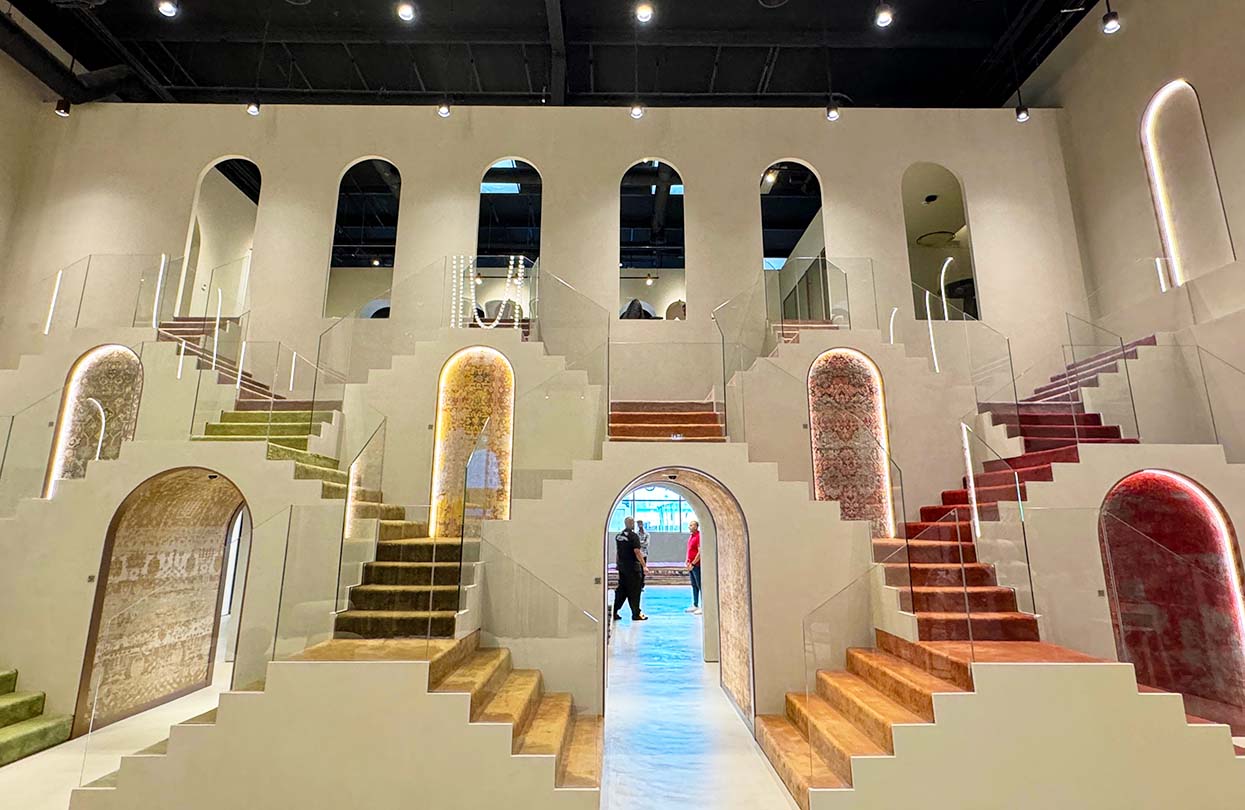
Alserkal Avenue in Al Quoz, Image by Ritu Manoj Jethani, Shutterstock
People who visit Dubai briefly and leave puzzled by it have usually missed the point. The malls — the most-mocked architecture in the world — were not built because the city is shallow. They were built because the climate insisted on it, and the city responded with more imagination than anywhere else. Dubai is one of the most sophisticated indoor civilisations on earth. The souks are cooled. The galleries at Alserkal Avenue, the auditoria at the Opera, the bookshops at Jameel Arts Centre, the long air-conditioned walks between them — all of this works better in June than in December, because in December you are still negotiating the outdoor city. In June there is no outdoor city. There is only the interior, and the interior is what Dubai has spent thirty years making beautiful.
Visitors from older cities sometimes call this artificial. The word does interesting work. Every European luxury hotel I have stayed in is a 17th-century palazzo that has been reconstructed three times, plumbed for the fourth, and staffed by a team trained to perform a continuity that no longer exists. Dubai is no more constructed than that. It is simply newer about it, and less embarrassed.
What you notice, after enough Junes, is the small things. The municipality waters the median plantings at eleven at night because nothing else is moving on the roads. The shawarma place in Satwa keeps its queue till four in the morning and the queue at two is longer than at ten. A woman walks her dog along the gym corridor of her tower at five forty-five because the corridor is the only place cool enough. The cricket on the screen at the café in Karama is the IPL on replay, and the audience has watched the same six overs three times this week, and will watch them again tomorrow.

Sunset view of Dubai Downtown skyline and Dubai Creek, Image by Katerina Elagina, Shutterstock
These are not things a visitor will see. They require staying. This is the dispatch World Travel Magazine runs in June for that reason — because the city in this month is the one worth writing about, and almost no one is here to write it. Not a spectacle. A working civilisation that has solved a problem most cities have never been asked to solve, and learned, along the way, to live well inside its own solution.
The car park empties. The valet brings the car. The cabin is cold. You drive home through streets that belong, for these few months, to the people who chose to stay. ◼
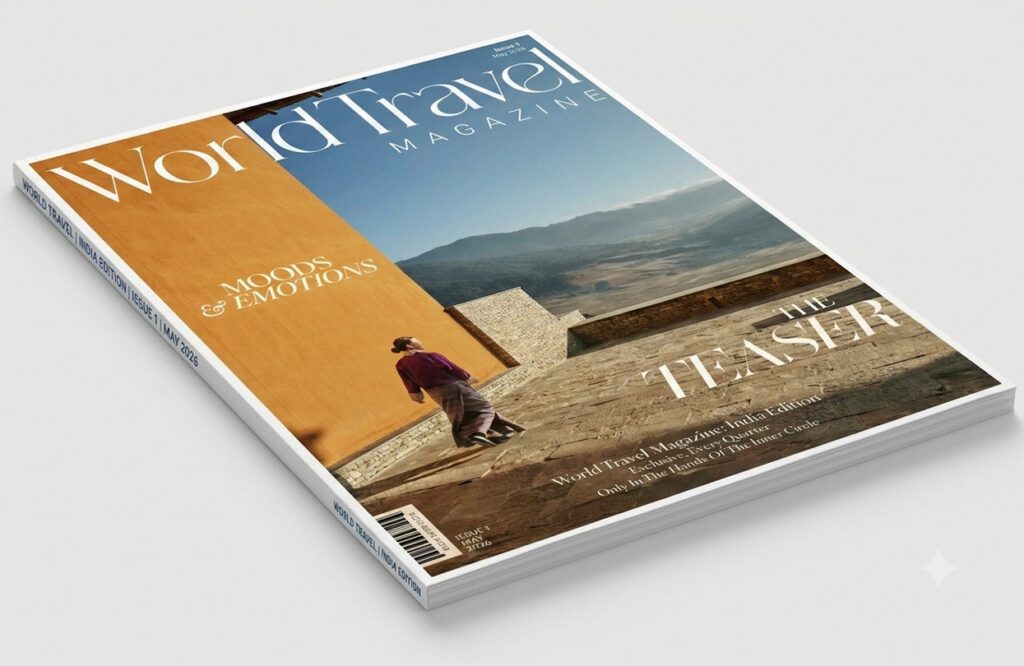
Subscribe to the latest edition now by clicking here.
© This article was first published online in June 2026 – World Travel Magazine.