|
Listen To Article
|
The Fjord at Eleven
The clock in the room says eleven.
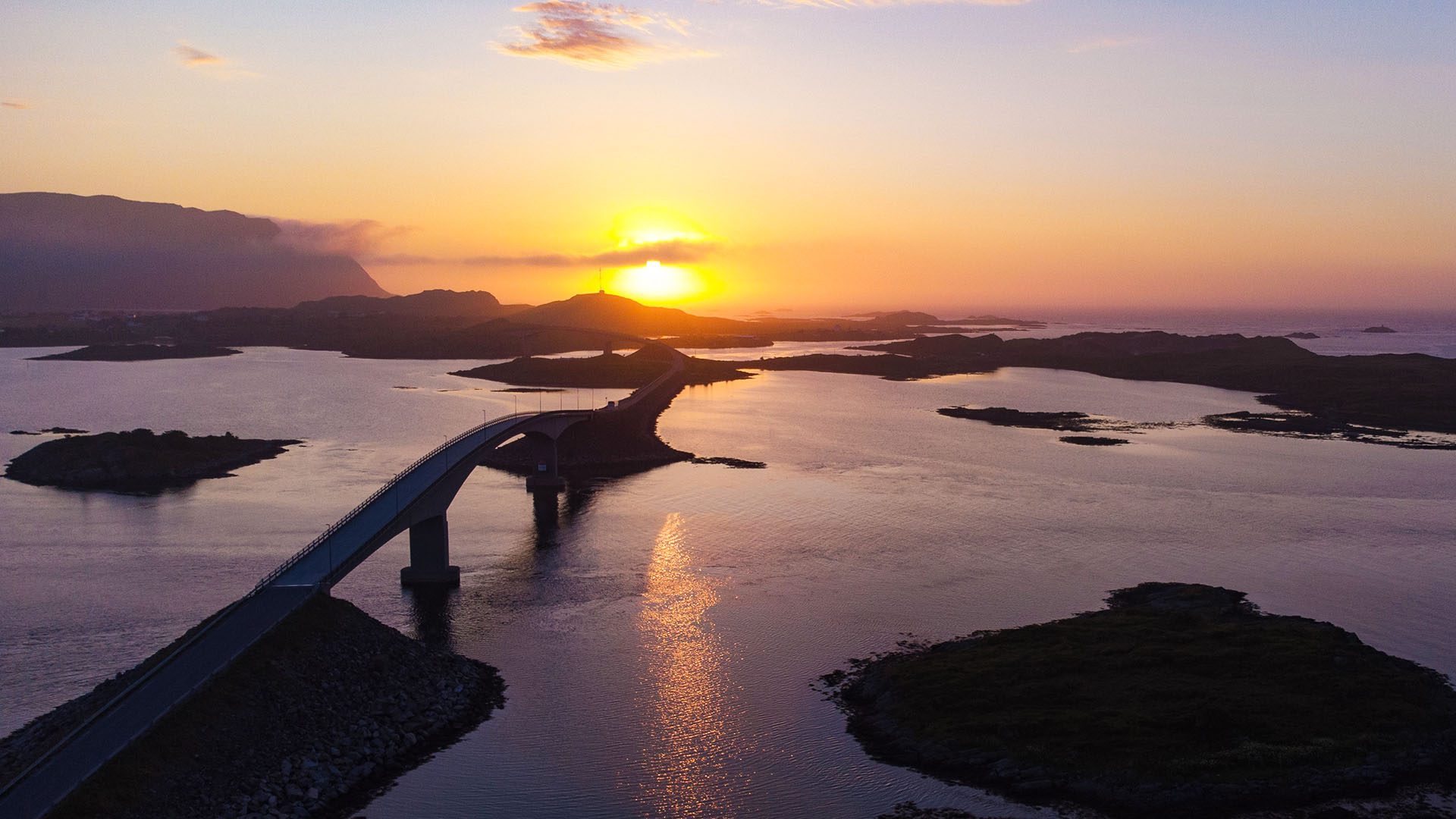
The fjord disagrees. Light still pours across the water — amber, unhurried, the colour of late afternoon anywhere else on earth. In the Lofoten Islands, on the evening of 21 June, afternoon simply refuses to end.
I am sitting on the dock at Hattvika Lodge in Ballstad. The wood is warm beneath my palms. A fishing boat rocks against its mooring line. Across the Vestfjorden, mountains hold the light the way a cupped hand holds water — loosely, without effort, as though they have been doing this forever.
There is nothing to do here. This is the point.
No darkness arrives to close the day. No dimming sky to signal dinner, or bedtime, or the end of anything at all. The body, so accustomed to being told when to stop, receives no instruction.
So it doesn’t stop. It continues.
I walked after dinner. Or what I think was dinner — grilled cod, potatoes in dill, a glass of cold wine, the sound of water against stone. Afterward I put on a jacket and followed the shoreline. That was two hours ago. Perhaps three. The light has not changed.
In the red cabins along the harbour, kitchen windows still glow. People are awake. Nobody is hurrying anywhere.
This is what the solstice does to time in the far north. It dissolves the edges. Without dusk, without the pull of dark, hours lose their borders. One bleeds into the next. The day becomes a single generous room with no walls.
View this post on Instagram
My shoulders have dropped an inch. I notice this the way you notice a sound has stopped — not the change itself but the silence that follows. Something I carried here from somewhere else has set itself down on the dock beside me. Quietly. Without asking.
No effort was involved. No programme, no practice. Only the absence of the cue that says: enough.
The air smells of salt and cold stone. A gull crosses the fjord at no particular speed. Its reflection travels the still water below, unhurried.
I have been sitting here for what might be forty minutes. It might be ninety. The distinction has stopped mattering. This is what the longest day offers — the sensation of time made abundant. Elastic. A day so long it forgets to conclude.
The mountains still hold their gold. Somewhere far south, someone is drawing curtains against the dark.
Here, there are no curtains to draw. Only the fjord, the light, and the sound of almost nothing.
The Lake Past Midnight
In the Finnish Lakeland, a lake holds the sky like a mirror laid flat on the earth.
It is past midnight. The light here is different from Norway — silver instead of gold, thinner, more diffuse. In the Lakeland, midsummer light doesn’t pour. It settles. It arrives on the skin the way a cool hand arrives on a warm forehead.
The sauna was an hour ago. Birch smoke. The hiss of water on heated stone. The moment when heat becomes so total it crosses over into its own kind of silence. Afterward, the lake. I lowered myself in and the cold was absolute — a single clear fact the body understood without translation.
Now I am sitting on the dock in a cotton robe. Hair still damp. Somewhere out of sight, a loon calls. The birch trees along the shore stand pale and motionless.
I have not looked at my phone since morning. I notice this without alarm, the way you notice you have been breathing all along. The device is in the cabin. It can wait. Everything can wait. That is what this light says, through every hour it refuses to leave: there is still time.
Dinner happened at an hour I cannot name. Arctic char, new potatoes, dill from the garden beside the kitchen door. We ate outside. Nobody checked a clock. The meal ended when the food was finished and the conversation found its natural close. There was no schedule pulling anyone elsewhere.
View this post on Instagram
Only the light, patient, saying: stay.
This is the solstice’s quiet arithmetic. The twenty-first of June gives more hours of light than any other date on the calendar. Every day that follows will be a fraction shorter. But tonight the account is full, and the spending is easy.
It occurs to me — sitting here, watching the birch trees, waiting for nothing — that World Travel Magazine may be right to call time the only luxury that cannot be purchased. You cannot buy an extra hour. But on the solstice, the day itself expands — twenty hours of light in the Nordics, sometimes more. Time stretching at the precise moment you stop trying to grip it.
People come to the far north in June for this. To eat when hungry. Sleep when tired. Sit on a dock for as long as sitting feels right.
The loon calls once more across the water. The birch trees have not moved. At half past one in the morning, the light still rests on the lake. ◼
Subscribe to the latest edition now by clicking here.
© This article was first published online in June 2026 – World Travel Magazine.