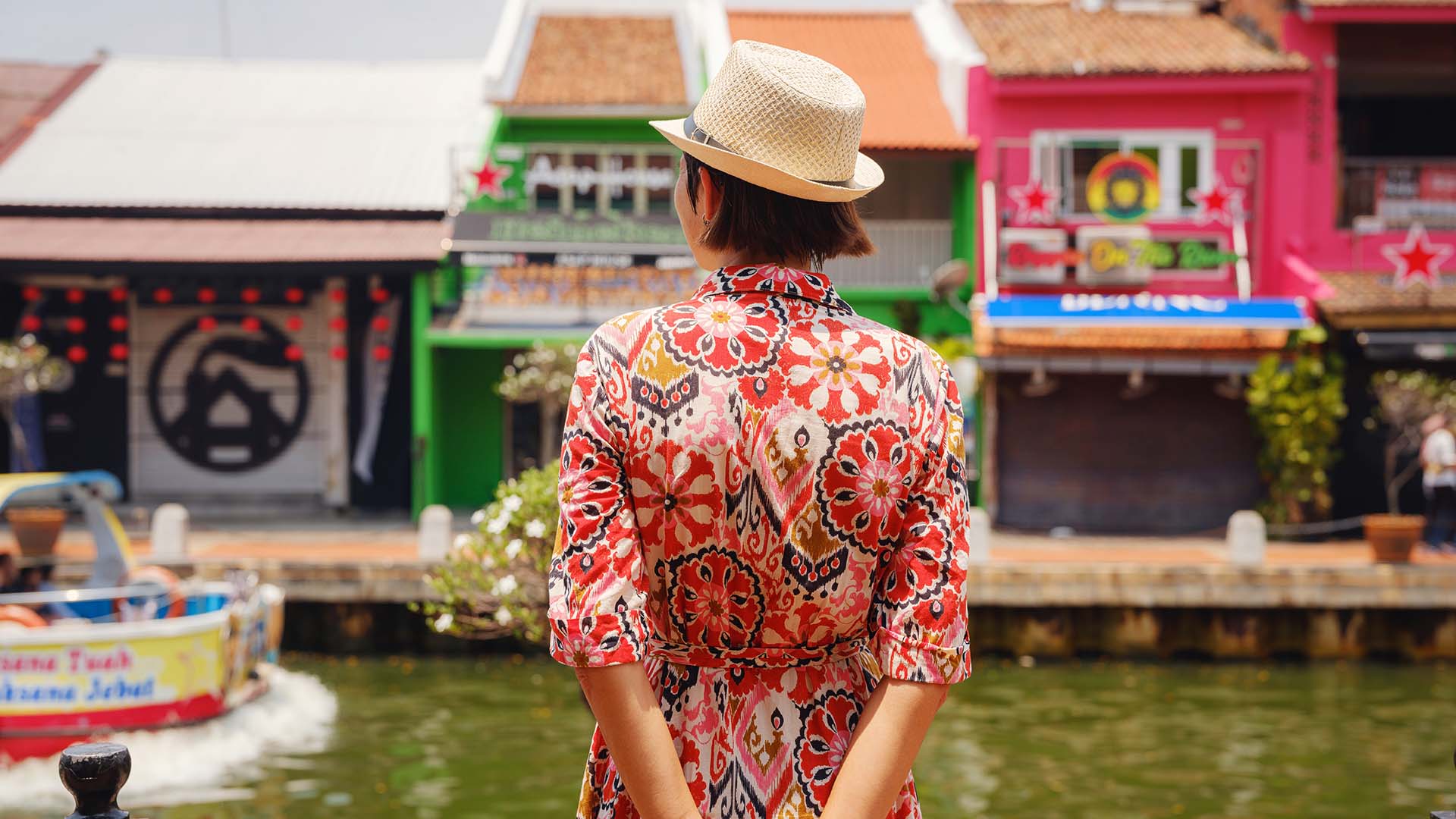
|
Listen To Article
|
By the third morning in Ipoh, the kopitiam auntie had stopped asking. She set down the white coffee, the kaya toast, the half-boiled eggs in their small glass, and moved on to the next table without looking back. It was the smallest possible gesture and it changed everything. I had been there long enough to be known.
This is the inflection point that three days in a place never gives you. Three days, you remain a visitor — pleasant, well-treated, ultimately invisible. Three weeks, something shifts. The city stops performing for you and starts simply continuing, with you in it.
I spent April in Malaysia. Most of it in places that don’t show up on the front-of-cabin route maps. Ipoh’s slow Cantonese hours, the limestone hills rising behind town like a backdrop someone forgot to strike after the last film. Mornings in Penang where the heat arrives by seven and the kuih sellers are already three hours into their day. When I was in Kuala Lumpur, I saw it from the kind of streets the taxi drivers actually live on, not the corridor between the Twin Towers and the airport.
Malaysia is a country the world flies over. The numbers don’t lie — visitor figures, length of stay, the share of arrivals that never leave the transit terminal. It does not perform for visitors. It keeps its best self in reserve for people willing to stay past the weekend.

Traditional Malaysian Peranakan cuisine Nasi Kunyit aka Turmeric Glutinous Rice, image by YSK1, shutterstock
What you find, if you stay, is one of the most sophisticated food cultures in Asia, layered like sediment — Hokkien, Hakka, Cantonese, Malay, Tamil, Mamak, Eurasian, Peranakan — each holding its own register, none flattening into the others. You find architecture that has been quietly absorbing influences for two centuries without bothering to advertise it. You find a hospitality instinct that does not feel transactional, partly because no one has yet trained it to.
Three weeks taught me that Malaysia is the country I had been told about by the wrong people. The brochures sell the islands. The islands are beautiful. They are also not the point.
In May, I came home to Dubai.
I have lived here long enough now that the seasons have stopped surprising me, which is its own kind of milestone. The heat began arriving in early May, the way it always does, in increments small enough to ignore and then suddenly impossible to. By June, the city has settled into its summer self — the version residents know and visitors almost never see.
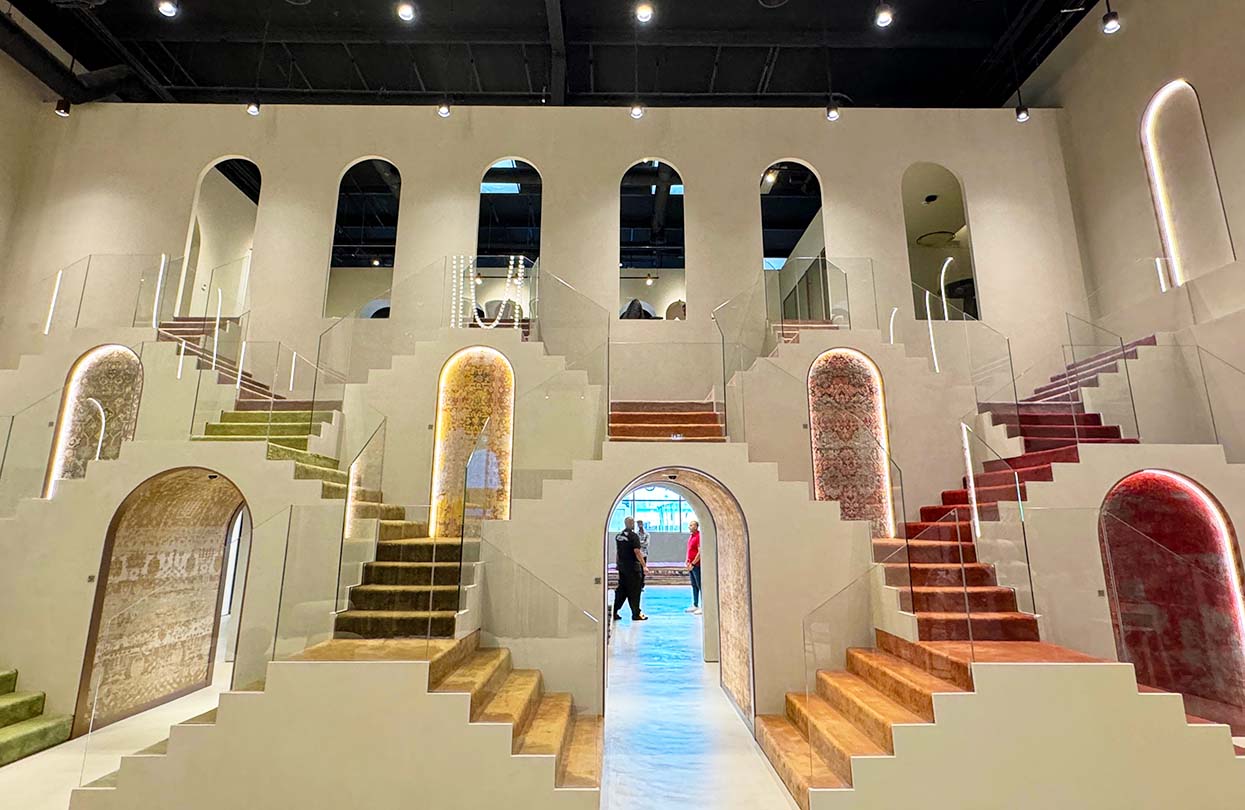
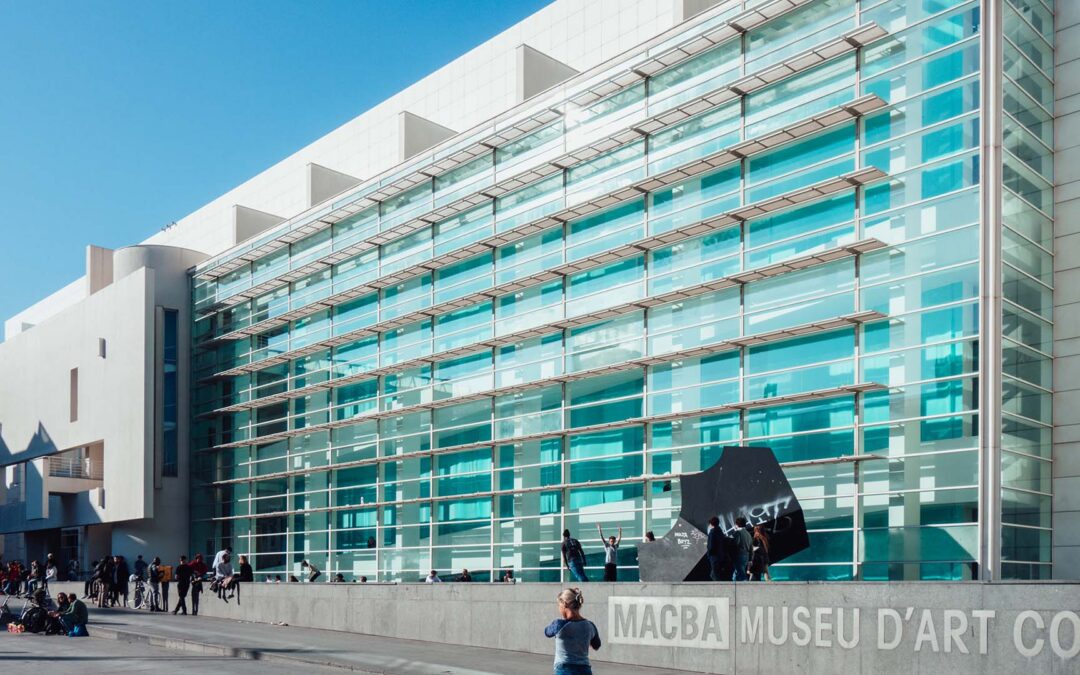
Alserkal Avenue in Al Quoz, Image by Ritu Manoj Jethani, Shutterstock
There is a comedy in this, if you live here. The world treats Dubai as a layover. A long weekend. Forty-eight hours between flights. Whole reputations are built on the city by people who have only ever seen it in winter, in conference badges, in the kind of itinerary that runs from the airport to a hotel to a restaurant to a brunch and back to the airport. Living here, you watch this version of the city from inside the version everyone else flies through.
Summer Dubai is not the Dubai the magazines describe. It is quieter, more domestic, more interior. The mornings begin at five-thirty, while it is still possible to walk by the water. The middle of the day belongs to indoors — to long lunches in restaurants whose dining rooms are designed for the families and traders and creative professionals who actually live here, cooking for a clientele that returns every week. By the time the sun drops and the temperature falls to something a visitor would still call hot, the city’s social life has started, the cafés are full, and the children are finally allowed back outside. It is a city that has organised itself, intelligently and without fuss, around its climate. The intelligence is not visible in a forty-eight-hour visit. It only reveals itself if you stay.
Both of these experiences — Malaysia in April, Dubai through May and into June — are arguments for the same idea. Luxury travel has trained us, with great care and considerable expense, to take the short way round. Three nights here, two nights there. The greatest hits, in the order the marketing decided. A version of the world that fits inside a long weekend, photographed in the months when the light is generous and the temperature is forgiving.

Sunset view of Dubai Downtown skyline and Dubai Creek, Image by Katerina Elagina, Shutterstock
The short way round is efficient. It is also, increasingly, where the least interesting travel happens. The version of a place curated for forty-eight hours is, by definition, the version that has agreed to be looked at. The version that rewards a longer stay is the version that was not designed for you at all, and which therefore has nothing to prove.
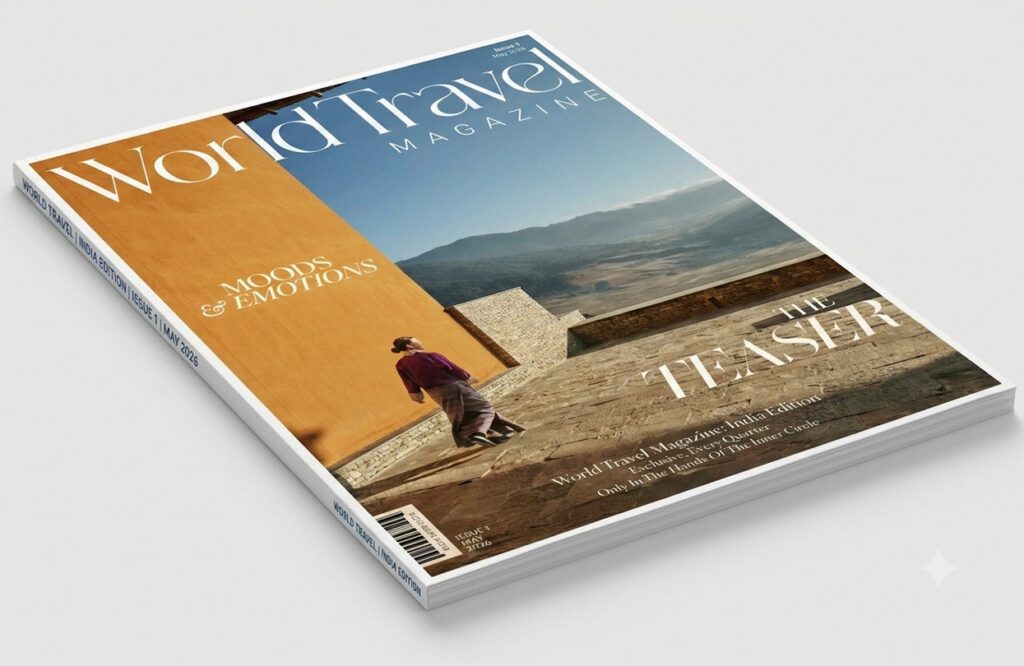
World Travel Magazine exists for that idea — the proposition that the most valuable travel is the kind that asks something of you. Time. Patience. The willingness to be uncertain for a few days, to not yet have a take, to not yet know which street is the good one. The long way round is the route that doesn’t sell well in a brochure, because it is harder to compress, harder to photograph, harder to render as a list of must-sees. It is also the route that changes you.
This issue is built around that principle. The pieces that follow are accounts of places given the time they were asking for.
The kopitiam auntie, on my second-to-last morning, looked up from the next table and asked me, in Cantonese, when I was leaving. I told her, in English, in three days. She nodded. The next morning she gave me an extra egg. Nothing was said about it. I have thought about that egg for two months. ◼
Subscribe to the latest edition now by clicking here.
© This article was first published online in June 2026 – World Travel Magazine.