|
Listen To Article
|
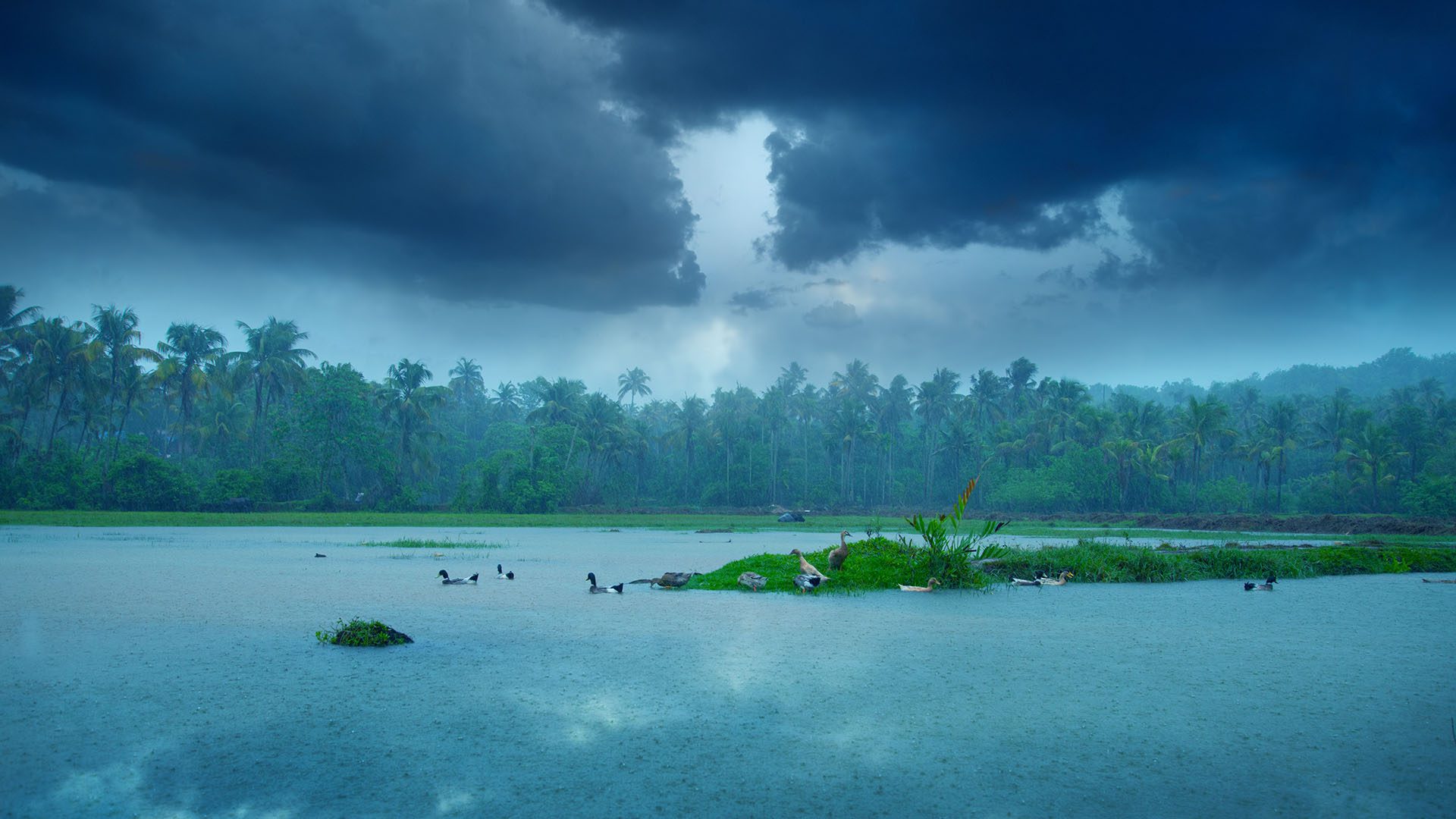
The first satisfying rain of the monsoon arrived in Kerala last week, and if you were anywhere near it — a balcony in Fort Kochi, a car pulling into Wayanad, a verandah where someone had left a steel tumbler out overnight — you heard the shift before you understood it. The air changed weight. The stone under your feet went dark. Everything that had been holding its breath for months exhaled, and the sound of that exhale was specific: not a roar, not a whisper, but a steady, deliberate arrival. Water on laterite. Water on palm frond. Water on water.
I’ve heard that sound many times. It still rearranges something.
The monsoon does this. It pulls you inward. It slows your pulse and narrows your aperture. You find yourself standing still in doorways. You cancel the second meeting. You order a second coffee. The world outside blurs, and the blurring feels like a gift — a kind of permission to stop performing productivity and simply be present to the hour. India in the monsoon is not a destination. It is a state of attention.
And yet. Here we are, in the same week, watching the Mediterranean open its arms. The Aegean has turned that particular shade of deep, almost unreal blue. The Adriatic coast is filling with early light and late dinners. Southern Turkey — the stretch from Bodrum down through the Lycian coast — feels newly vivid this summer, as though someone wiped a layer of dust off the colours. Travellers are returning to these waters with a different appetite than they carried two or three years ago. Less performative. More personal. They are choosing smaller harbours. Longer meals. They want the afternoon, not just the photograph of it.
This is the week I look forward to every year, though I have never quite been able to explain why.
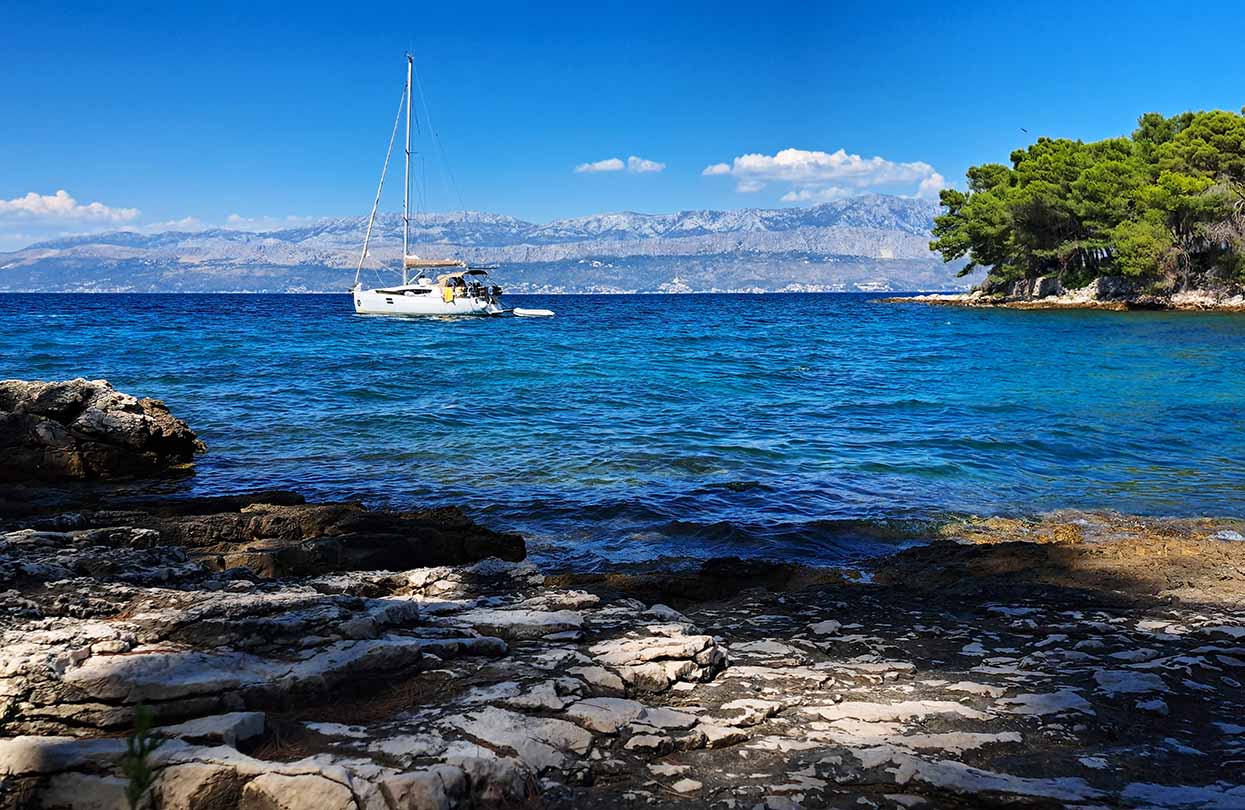
Sailing yacht on the Adriatic Sea, image by senina, Shutterstock
It is a threshold week. Two seasons arrive simultaneously, and they pull in opposite directions. The monsoon says slow down, stay close, listen. The Mediterranean says come out, the light is perfect, the water is warm. Both are telling the truth. Both are making promises they can keep. And the traveller — the one who has done enough of both to know the difference between a trip and an experience — stands at the fork and feels, for a few days, genuinely torn.
I find that tension beautiful. Most of the travel industry does not. The industry wants you to decide quickly, book immediately, commit before the rates change. It produces urgency because urgency is easier to monetise than ambiguity. But the most interesting travel I have witnessed — in years of editing this magazine, in the thousands of itineraries and journeys and quiet confessions readers have shared with us — happens precisely in the ambiguity. In the threshold. In the week when two directions feel equally right and you have to sit with both before one of them wins.
The traveller who checks into a cliff-side room in Ravello this June and spends the first evening just watching the light move across the water — that traveller is not escaping the monsoon. She is holding both. The monsoon is in her. The rain she grew up with, the smell of wet earth on a childhood terrace, the particular pleasure of a hot drink on a grey afternoon — none of that disappears because she is sitting above the Tyrrhenian Sea. It travels with her. It is the lens through which the Mediterranean becomes personal rather than postcard.
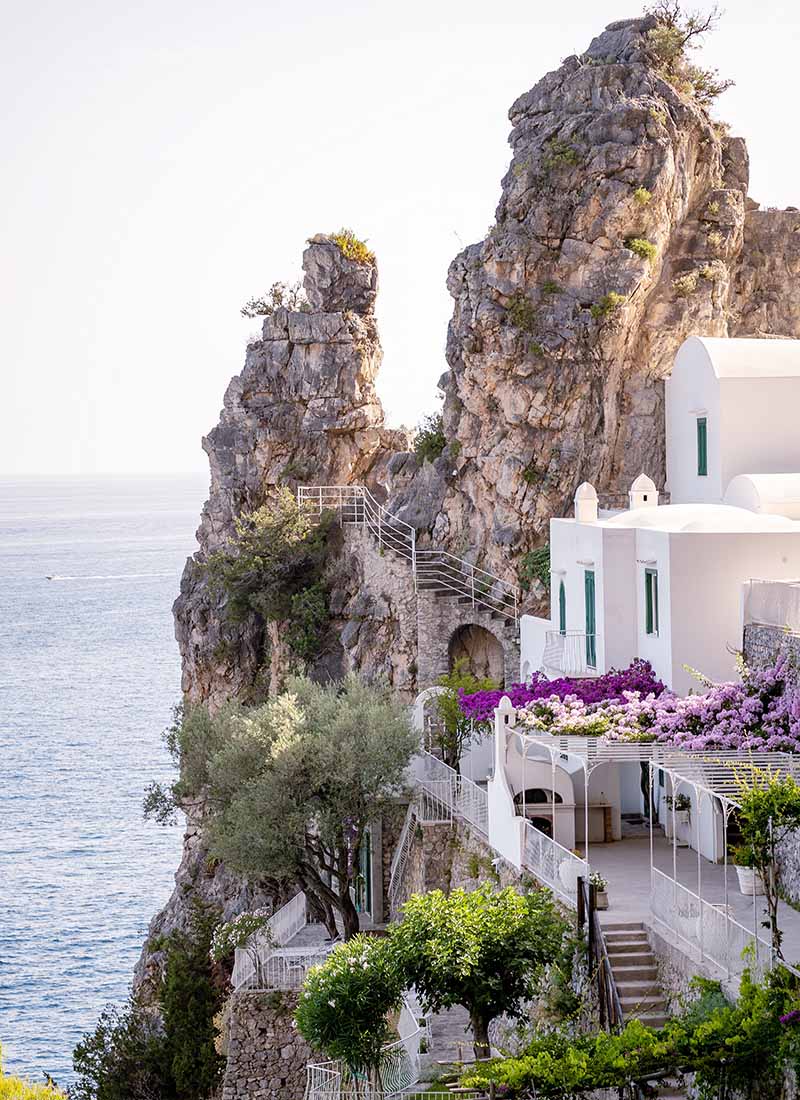
Ravello, image by Liudmila Legkaia, Shutterstock
And the traveller who stays — who drives into the Western Ghats this week, who checks into a place where the only sound competition is between rain and birdsong — he is not missing Europe. He is choosing a different frequency. He is saying: this year, I want to be inside the weather, not above it.
Both are right. I want to be clear about that. This magazine does not rank directions.
What we do — what this issue does — is hold both open. The pages ahead move between monsoon India and the European summer without choosing sides. You will find the Cyclades here, and you will find the Konkan coast. You will find the silence of a wellness retreat in the Nilgiris and the controlled theatre of a Mediterranean yacht charter. We did not organise the issue this way to seem balanced. We organised it this way because this is what the world actually looks like in the last week of May: abundant, contradictory, pulling you two ways at once.
There is a particular anxiety about the summer that I have watched evolve over the years. It used to be simple — Europe in June, sorted. Now it has layers. Now the traveller has opinions about which Greek island, which Croatian town, which stretch of the Turkish coast deserves attention and which has already given its best years to the crowds. Simultaneously, that same traveller has begun to see monsoon— genuinely see it — as something worth clearing a calendar for. This is a sophistication I respect. It is the mark of someone who has moved past collecting destinations and started collecting qualities of experience.
That is who this magazine is for. The reader who understands that a week when two seasons overlap is not a scheduling problem. It is a rare and specific pleasure.
The monsoon will deepen. The Mediterranean will warm. By July, the fork will have resolved itself — you will be wherever you are, and the other direction will wait. But this week, both are alive. Both are calling. And the sound of the rain on the stone, and the sound of the water against the hull — they are, if you listen carefully enough, the same invitation spoken in two different languages.
Sit with it a moment longer. ◼
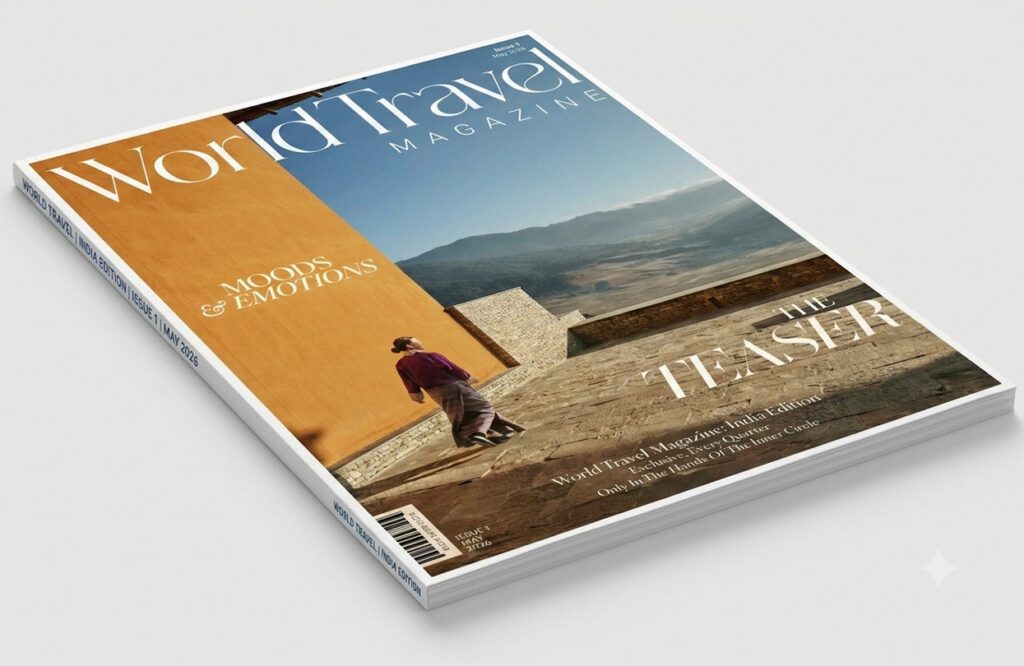
Subscribe to the latest edition now by clicking here.
© This article was first published online in May 2026 – World Travel Magazine.